Pew Fellow and Filmmaker Bettina Escauriza on the Narrative Power of Images
Pew Fellow Bettina Escauriza makes films that examine contemporary society through a lens of comedy, satire, and surrealism. Her 2022 short Tonight, We Eat Flowers, originally developed as part of the BlackStar Philadelphia Filmmaker Lab, is a romantic workplace comedy following two characters who journey through unlikely circumstances involving “absolutely terrible music, a lot of blood, and edible flowers.” She’s currently working on developing it into a feature-length film, while also filming a documentary short about Lenape cultural workers in Oklahoma and Canada, and developing an animated film.
Originally from Asunción, Paraguay, her work is informed by Indigenous knowledge and tackles themes of colonization, immigration, and exile. Escauriza spoke with us about the influence of her family, the hand-crafted nature of her work, and her biggest needs as an artist.
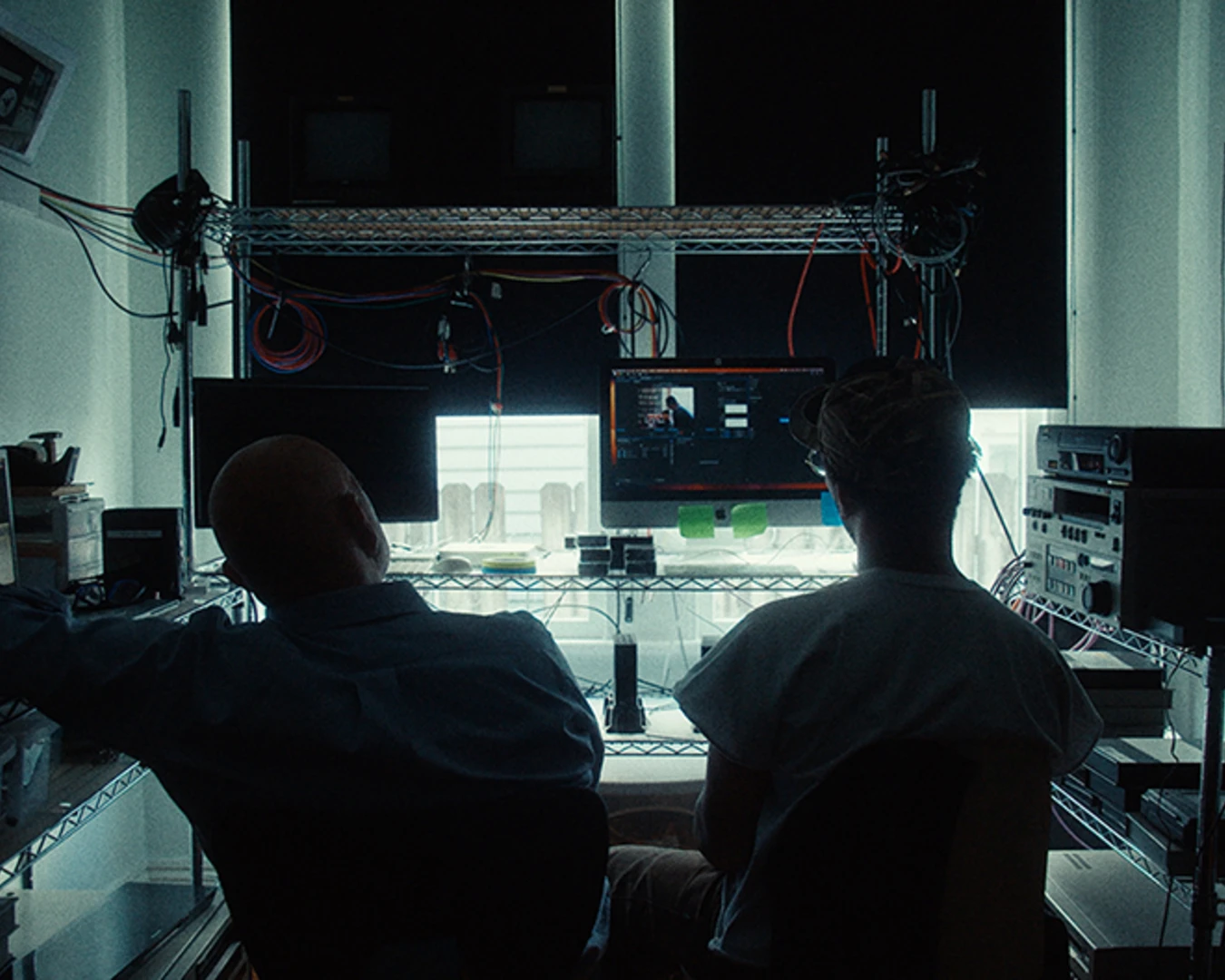
Still from the short film Tonight We Eat Flowers, written and directed by Pew Fellow Bettina Escauriza, 2022.
Was there a moment when you began to identify yourself as an artist?
I grew up around women who gave literal shape to the world around me. My mom is an artist: a painter and a ceramicist, specifically. My grandmother was a practitioner of Ikebana. I was raised to value beauty and harmony between seemingly disparate elements, and I will carry those values with me throughout my life. My mom and my omi are a foundational part of my story as an artist, not only because I grew up around their art, but also because they encouraged me to make alongside them. I learned early on the magic of juxtaposing elements to create a new form and tell a story, and that process remains very exciting to me.
A high school photography class is where I began to really understand the narrative power of image making and when I knew that I was going to spend my life telling stories. It was incredibly exciting to watch the images emerge under the red glow of the safety light as I slowly agitated the developer tray. It was a kind of meditative scrying—you stare at the blank sheet and slowly a moment appears frozen in time. This is when I understood the power and responsibility that is embedded in the act of choosing moments to capture—where I point my camera and when I click the shutter matters. Making images, whether through photography or filmmaking, is a way of lifting something out of the soup of time and naming it as important enough to look at again and again. I don’t think this is a small thing.
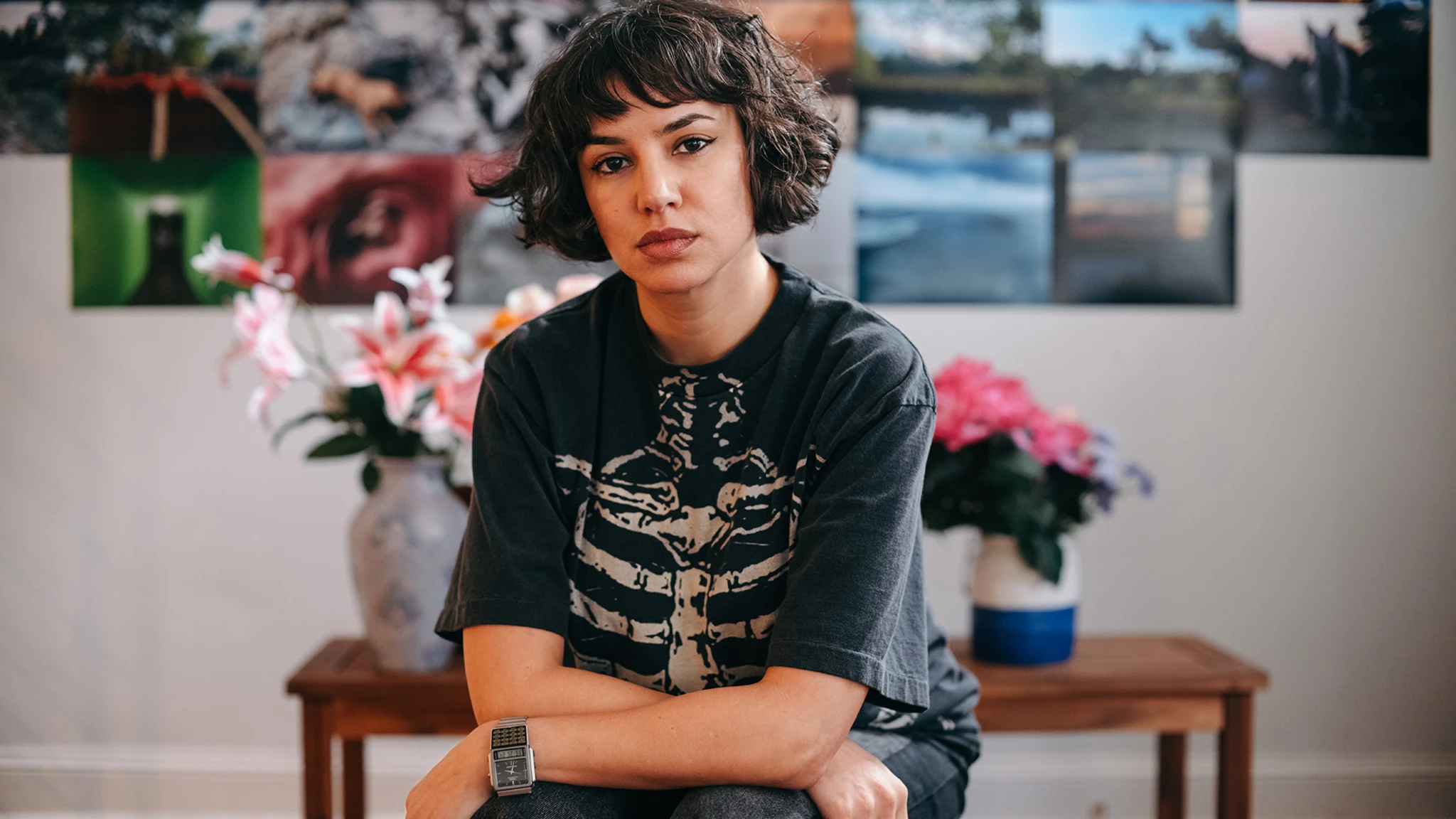
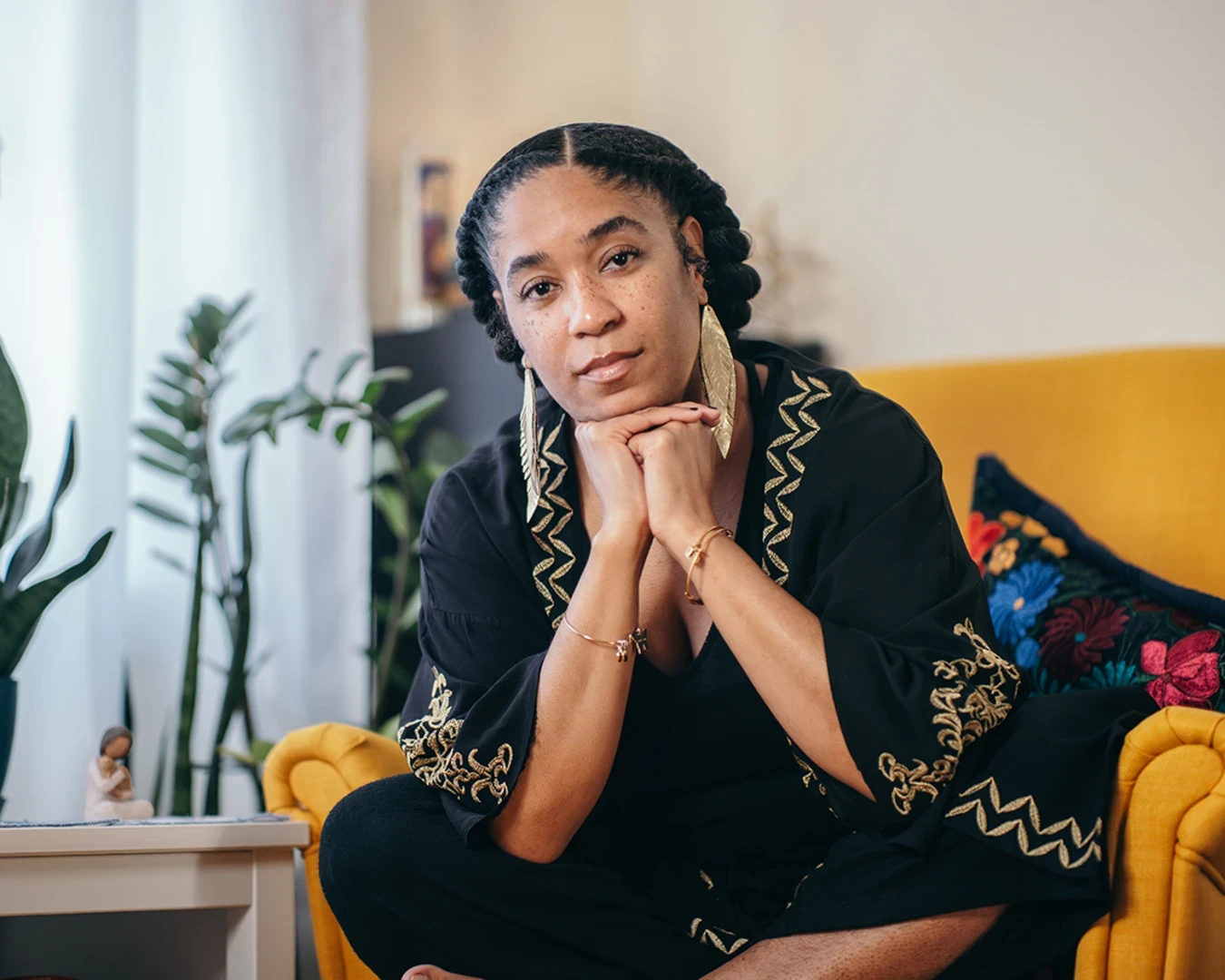
Bettina Escauriza, 2024 Pew Fellow. Photo by David Evan McDowell.
How is the rapid advancement of technology impacting your practice?
I think there are some interesting tools being developed with technology and artificial intelligence—specifically for post-production—that can be very useful. I put a particular emphasis on the word “tools,” since these advances can be a useful addition to what should be an already robust pre-existing toolbox.
For me, filmmaking is a physical and tactile art form that allows me to be in the world and build relationships. I want to actively, methodically, and deliciously think about every aspect of my films and then shape them with my hands, because these are the things I love doing the most. Operating a camera. Being outside and shooting. Being in the darkroom and watching my photos emerge in the swirling haze of murky chemistry. The endless hours of researching and digging through archives and then finally figuring out the thing you’ve been chasing only to find it leads down yet another long, dark hallway. Having random conversations with people who are trying to figure out what my friends and I are up to. Getting into good trouble and then ending up with the beautiful, imperfect, and bizarre temporal object that is a film. All of this is what I love about filmmaking.
"Making images, whether through photography or filmmaking, is a way of lifting something out of the soup of time and naming it as important enough to look at again and again. I don’t think this is a small thing."
What is driving you to create at this moment?
A devotion to love, possibility, sensuality, and playfulness is driving my work at the moment. It doesn’t feel urgent. It feels true, steady, and fun.
What do you need most to foster your creative process? What are the biggest barriers?
The biggest barriers to my creative process are the necessity of funds needed to do meaningful work, finding time to create while also giving my attention to two full-time jobs needed in order to afford to live indoors and eat food, and a lack of opportunities to show my work. I know my experience isn’t unique at all—most working-class artists are struggling with this reality, and wages seem to decrease daily while the cost of living rises, which means we all need to devote more time to surviving and less time to creating.
What I need most to foster my creative process is time and money: having large swaths of uninterrupted time to really think ideas through and create instead of squeezing my creativity into the few spare moments I have throughout the day, and then having enough money to actually execute those ideas. Having these two needs met in a sustained fashion would transform anyone's life.