Pew Fellow & Filmmaker Stewart Thorndike on the Emotional Heft of Horror
As a writer and director, Pew Fellow Stewart Thorndike gravitates towards making character-driven, women-centered psychological horror films. Through work like Bad Things (2023) and Lyle (2014), she explores themes of motherhood, queer identity, and female rage. Thorndike spoke with us about her love of the genre, describing it as a space for defying boundaries and reckoning with darker truths of society not often reflected in conventional filmmaking. She also told us about the thrill of her earliest artistic discoveries and the challenges and opportunities technology brings to filmmaking.
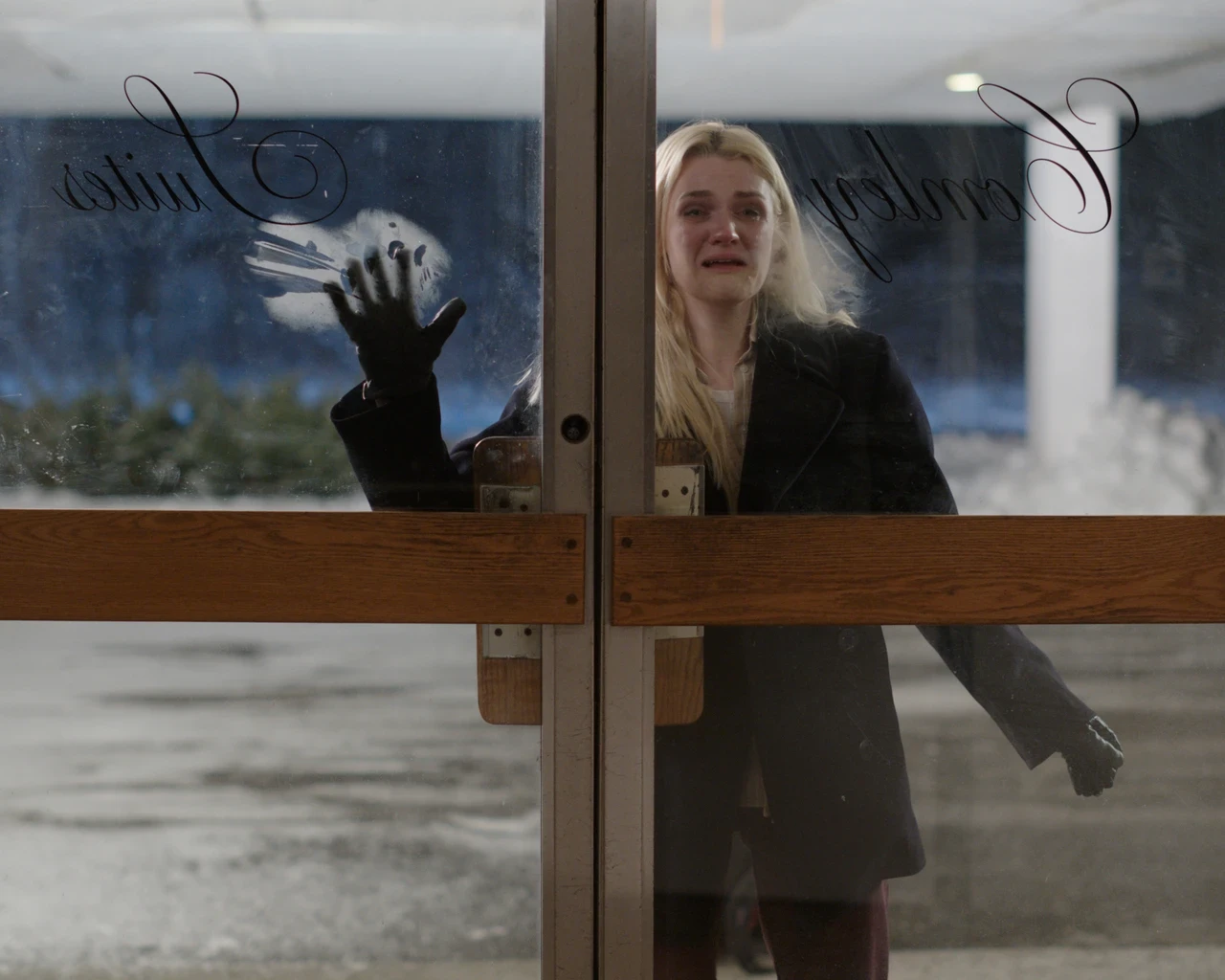
Pew Fellow Stewart Thorndike, Bad Things film still, 2023. Pictured: Gayle Rankin as "Ruthie."
What is your core motivation as an artist? Has it changed over time?
My art is a little angry. I’ve always wanted to prove something: a perspective, or a way of thinking, or the truth of my life. I’m not a great communicator in the moment and feel like stories and visuals are my way of having a conversation. Since I was a little kid, I’ve always been drawn to darker stories and images. I think there is a truth to them that a lot of happy-ending, perfect-family, conventional stories don’t reflect about the world and my experiences. And those darker looks at people and times gave me comfort as a child. [I felt] less alone. Seen. I also like the exaggeration that horror provides. I don’t like to be subtle. I like loud, bold strokes. Women are often encouraged away from being bold and loud. Horror allows you to yell.
When I started making films, horror was often thought of as lowbrow, and I let that affect my work. It took me a long time to have the confidence to claim the kind of work I did and wanted to do. My approach to work now is less influenced by vetted opinions and trends. I’m less apologetic about my tone and voice and work. At the same time, I’m still desperate to connect with people and strive to be open and influenced by other people’s ideas, reactions and art.
"Since I was a little kid, I’ve always been drawn to darker stories and images. I think there is a truth to them that a lot of happy-ending, perfect-family, conventional stories don’t reflect about the world and my experiences."
How are you thinking about the rapid advancement of technology as an artist?
I am afraid of technology—in so many ways—but try not to be afraid of it in my work. The dreaded smart phone is a problem for many filmmakers. They just aren’t cinematic. People aren’t talking to each other anymore; they’re communicating through their devices and texts and phone calls and Google searches, and you lose the beautiful drama of person-to-person interaction. Cell phones are extra hard in a horror film. People are never trapped anywhere anymore. You can always call for help.
I try to embrace technology and not cower from it. What are the different horrors and dramas that technology creates? I don’t want to turn away from it. In my last film, Bad Things, which was a haunted hotel ghost story, cell phones were everywhere and woven into the fears. A ghost was sending texts; instead of a ticking bomb, there was an Uber wait time; cell phones would light up at inappropriate times. In my first film Lyle—a horror film that is often described as a “lesbian Rosemary’s Baby”—the most awful, crushing moment of the film happens on a Skype call. The Skype call interrupts the moment with glitches and freezes; distorting the moment, disrespecting the moment. Adding this layer of technology to this devastating moment made it even more horrifying. It almost mocked the moment with a cold, inhuman cruelty.
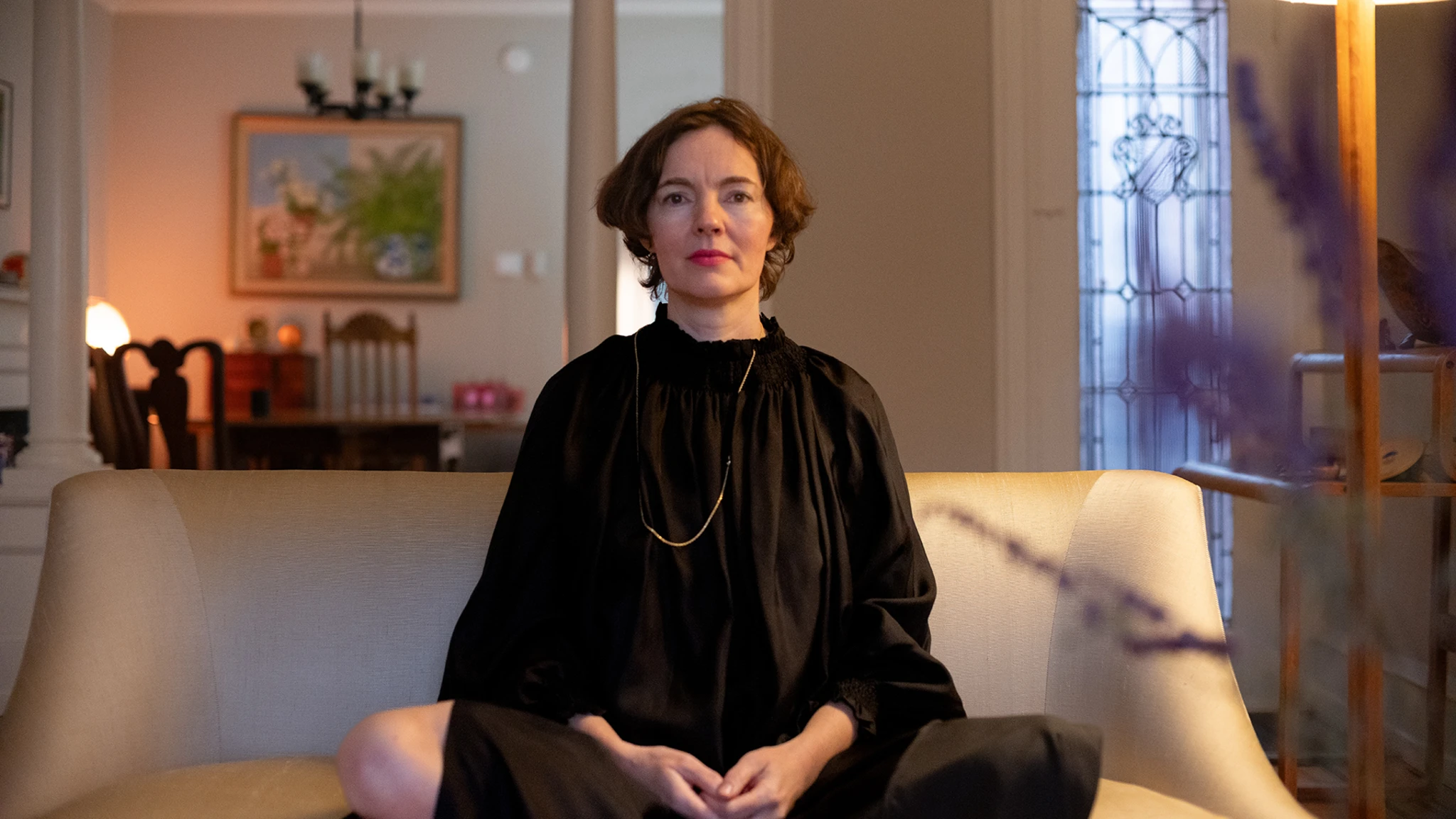
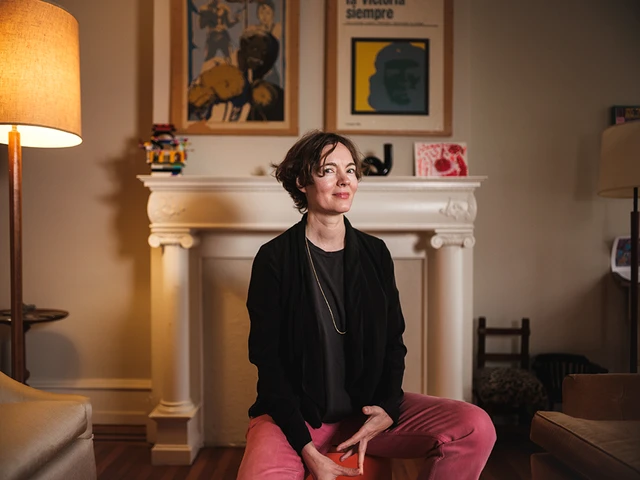
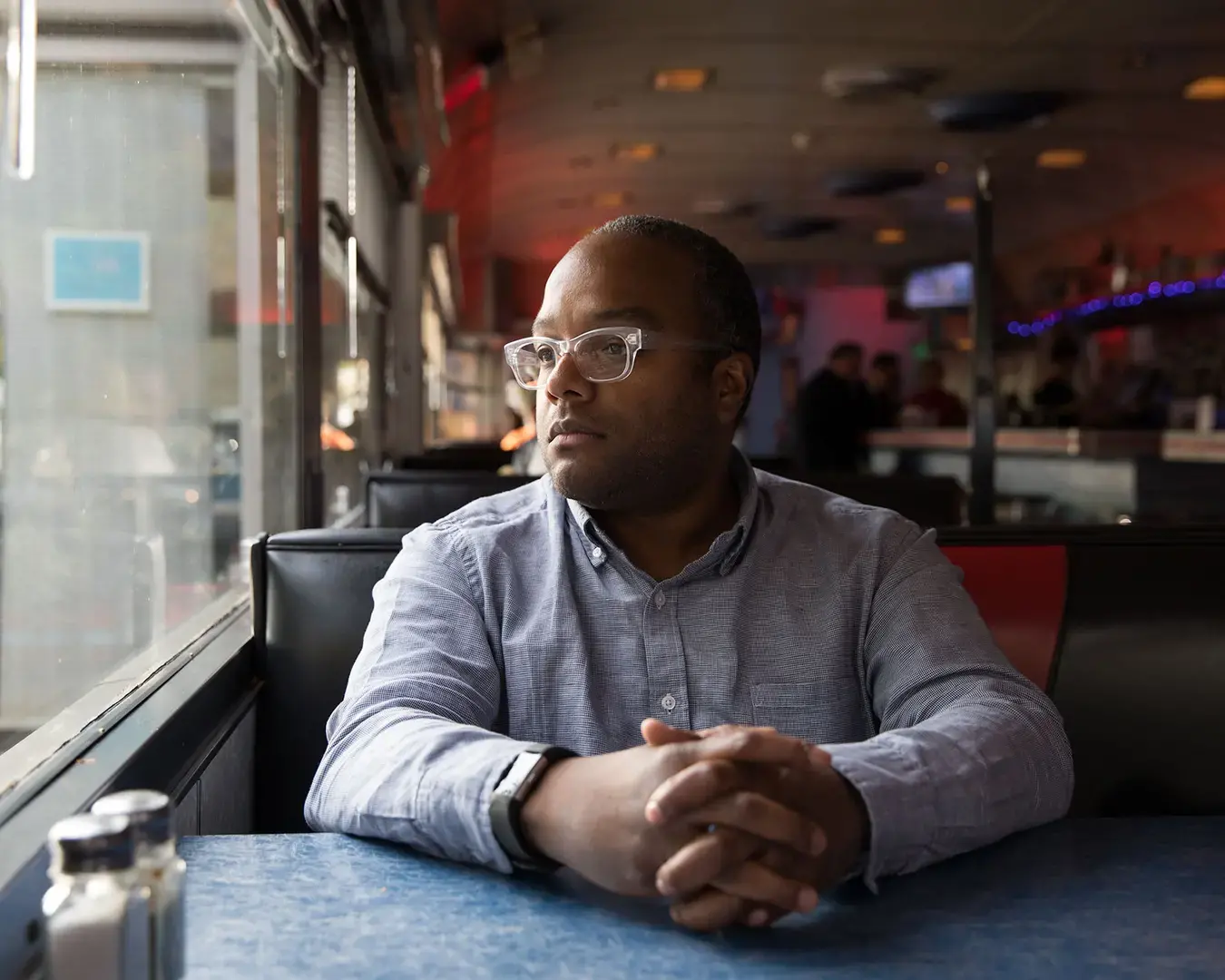
Stewart Thorndike, 2024 Pew Fellow. Photo by David Evan McDowell.
Was there a moment when you began to identify yourself as an artist?
I’ll never forget being four years old and sewing a couple pieces of fabric together and thinking “whatever this is, this is me.” It was the sheer ecstatic thrill of making something. That was my first private thought about being an artist, even though I didn’t have the language for what it was. I lost that feeling many times as I developed and tried to figure out who I was in the world. My darkest days were the days I didn’t own that part of myself. Or didn’t feel allowed to own it.
Thankfully there was a specific day—a specific moment—when I succumbed to the dreams and cravings. I took a scrap of paper, drew a heart on it, and put it over my desk where I wrote my films. A little cheesy, but that’s what I needed to do. A sort of external symbol for myself that declared “this is where my heart is now.” It centered my dreams, my confidence, and my audacity.
It still took me a few more years to say I was a filmmaker, and a few more years after that to say I was an artist. Language is so important in being an artist. Owning it and labeling it for yourself. I often teach film and really encourage my students to call themselves filmmakers and artists right away—especially women who feel like they need to earn the label. It’s not something you earn. It’s a practice and communion that you dedicate yourself to. It’s an approach to life and living that is about expression and making things. And for me, it’s also about having a community.
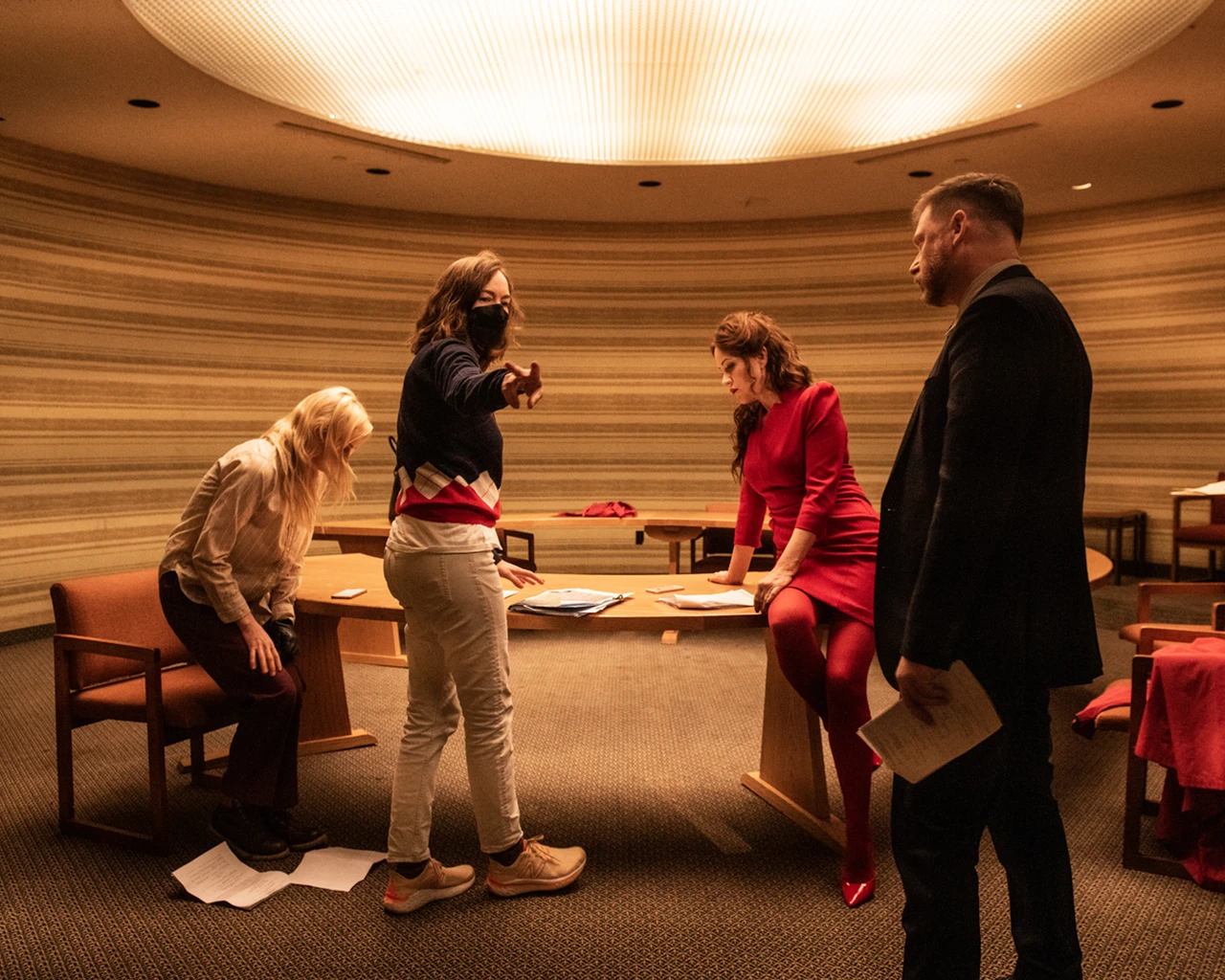
Pew Fellow Stewart Thorndike on set for Bad Things. Photo by William Callan.
What is it about the Philadelphia arts and culture scene that keeps you rooted here?
I moved to Philadelphia a couple years ago and love it. There is a wild energy here and a sort of self-run kind of feel that I adore. I’ve seen so many different kinds of art and comedy and theater here. There is a special spirit to it all that is very inspiring artistically. It feels like art is being made as art—in all scrappy forms, despite how hard it is—for the love of it. This is especially inspiring as the film world is collapsing and decentralizing. It gives me hope that art and film can spring up in other places like Philadelphia and flourish in new ways we haven’t thought of.
Receiving the Pew Fellowship was epic for me as an artist and will forever be rooted in my love for Philadelphia. It’s given me this beautiful space to stretch my practice and steep in my work. This summer I was able to make an experimental documentary short in Philadelphia because of the grant. So many epically talented and epically unique collaborators from Philadelphia helped make this strange film about the disturbing romance of soap stars Luke and Laura from General Hospital. There is just a wild special game spirit here that I find endlessly inspiring and totally unique to Philadelphia.
I’m currently working on my third narrative: a slasher film with older women called Frigid and have two smaller budget narrative projects I’m writing to shoot in Philadelphia.