Authorship, Artistic Voice, and AI: Seven artists on the rapid advance of new tech
The growth of artificial intelligence in recent years and its impact on modern life are immense, and a point of debate across professions—including the arts. Is it a tool for finding efficiencies and maximizing productivity? Is it a threat, with implications ranging from work to the environment?
We asked several Pew Fellows—four filmmakers, two musicians, and one multimedia artist—to reflect on their experience with AI. How are they thinking about the rapid advancement of technology as artists? How does it affect their practice and their sense of authorship, artistic voice, and human connection?
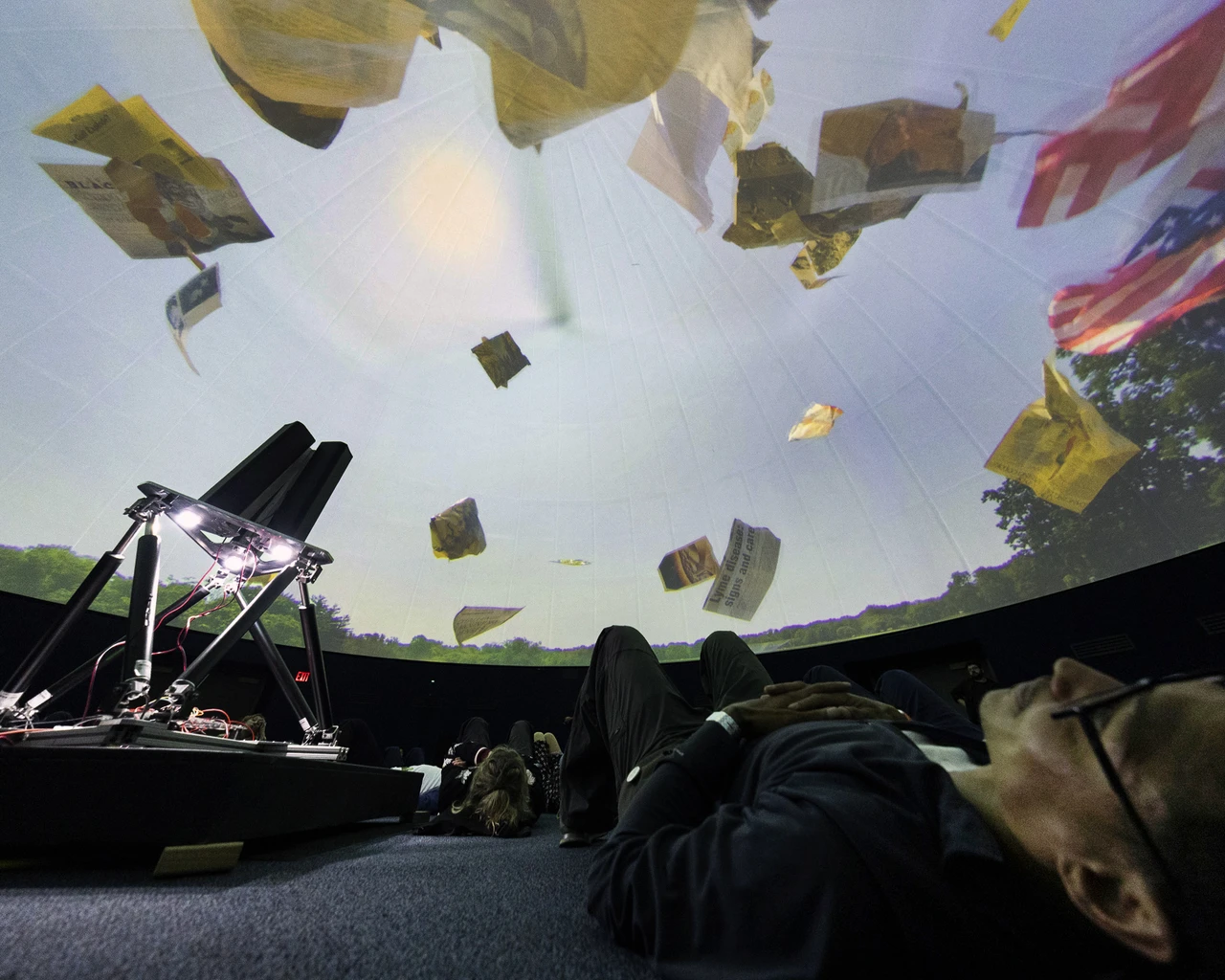
Multimedia artist Michelle Lopez addresses the impact of modern tech in her Center-supported video installation PANDEMONIUM, which premiered last fall at Moore College of Art & Design and the Franklin Institute’s Fels Planetarium, and is currently part of the Whitney Biennial. Lopez tells us that its footage of a “riotous tornado” filled with cultural debris like shirts, signs, and newspapers reflects the “overwhelming amount of information” that fills daily life.
“For me, so much of PANDEMONIUM hasbeen about how technology has changed the very nature of how we relate to others, how we get our information, how we process our environment,” Lopez says. “A part of [the project] was to invoke social and environmental upheaval but also create a sense of how social media distracts with noise. Technology and AI are a huge part of that distraction and misinformation.”
Michelle Lopez's Pandemonium, October 3, 2025 at The Fels Planetarium of The Franklin Institute. Photo by Ryan Collerd.
Filmmaker Bettina Escauriza finds that tools developed with artificial intelligence can be interesting and helpful in her field, specifically tools for post-production. “I put a particular emphasis on the word ‘tools,’” she notes, “since these advances can be a useful addition to what should be an already robust pre-existing toolbox.”
Escauriza calls filmmaking “a physical and tactile art form” that allows practitioners to be present in the world and build relationships with human beings and other living things, “and that is what I love about it,” she says. “I love working through scenes with actors, planning the visuals with the cinematographer, designing rigs for practical effects, dreaming up and making costumes, and getting a chance to imagine the story anew and explore human psychology in the editing, scoring, and sound design process. I adore the social and physical work of filmmaking, and I won’t outsource these things that bring me joy to technology.”
"I adore the social and physical work of filmmaking, and I won’t outsource these things that bring me joy to technology." - Bettina Escauriza
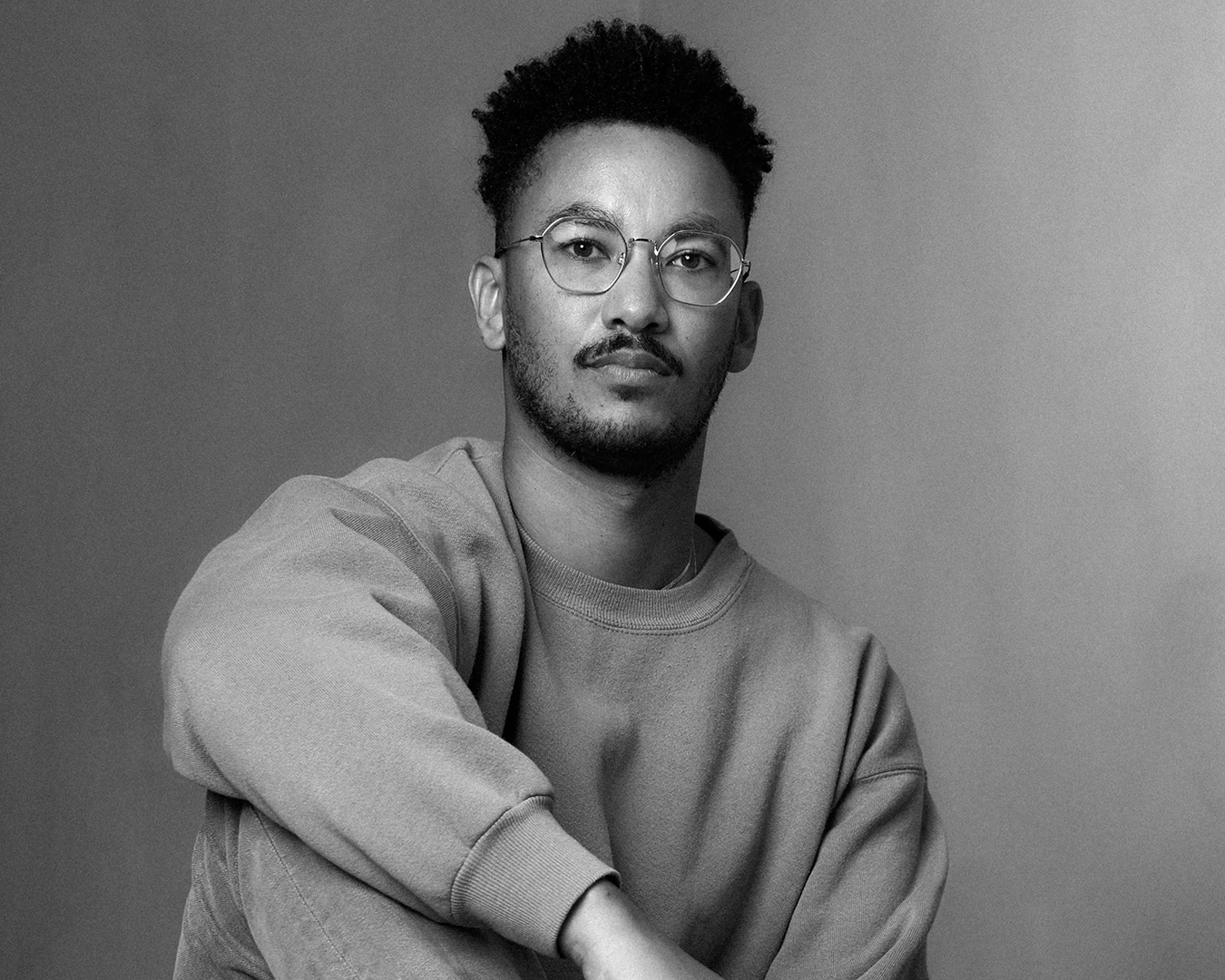
Musician and sound artist Mikel Patrick Avery also speaks to the importance of human connection, but through a lens of trust. “I know the robots don’t want to hear this, and they’ll probably come for me first, but AI is dismantling forms of trust when it comes to authorship,” he says. “For myself, the result is a refocus of the importance of in-person interactions: time spent with other people and nature that are void of tech are ever more special and cherishable.”
Avery also highlights the element of discovery inherent in the creative process. “Automation is nothing new, I get it. But I like to work; I’m blue collar to a fault. When you take the illogical, more laborious path, it can open up new ideas and make way for a deeper understanding of what you’re creating. I find value in the slow. I love ballads.”
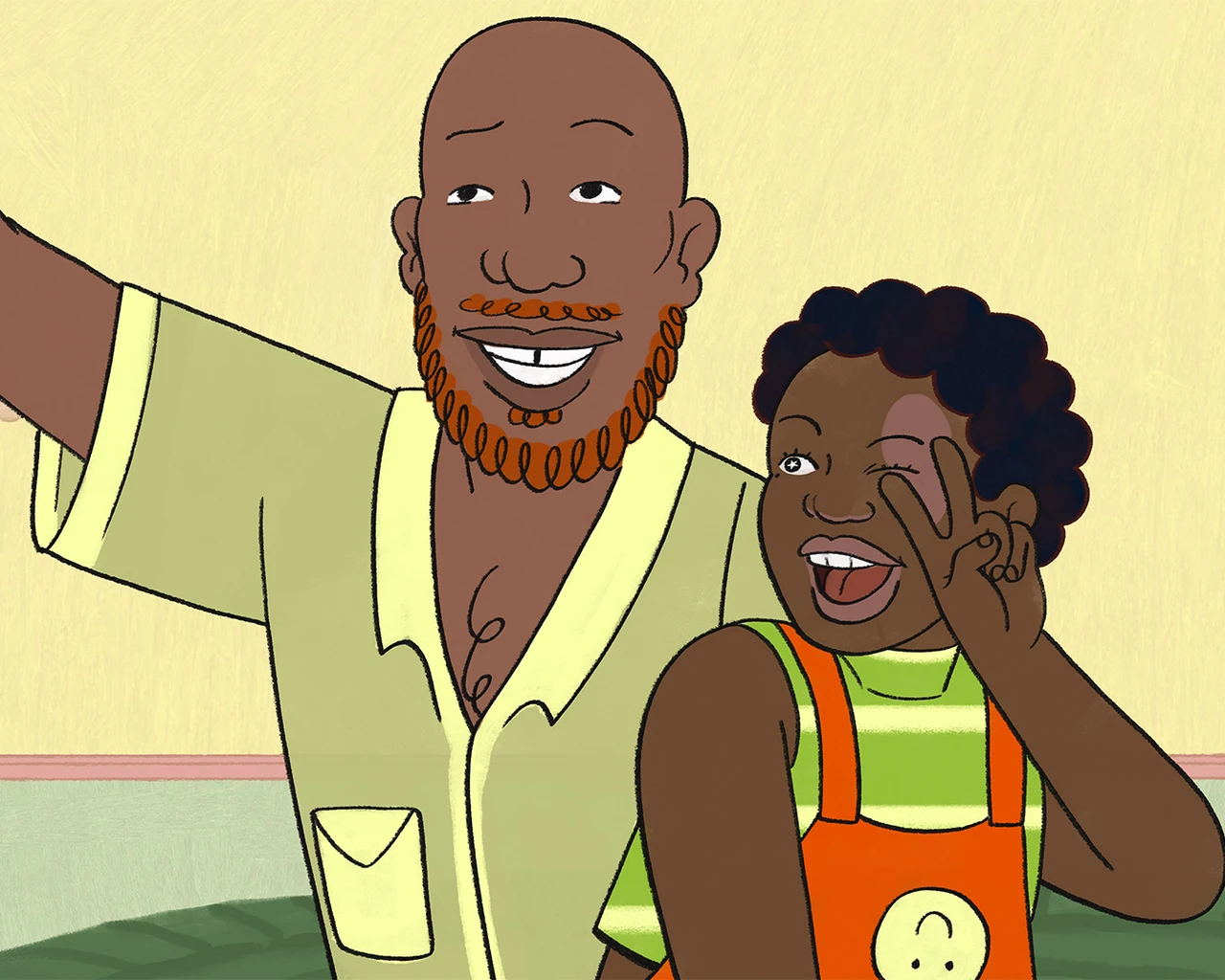
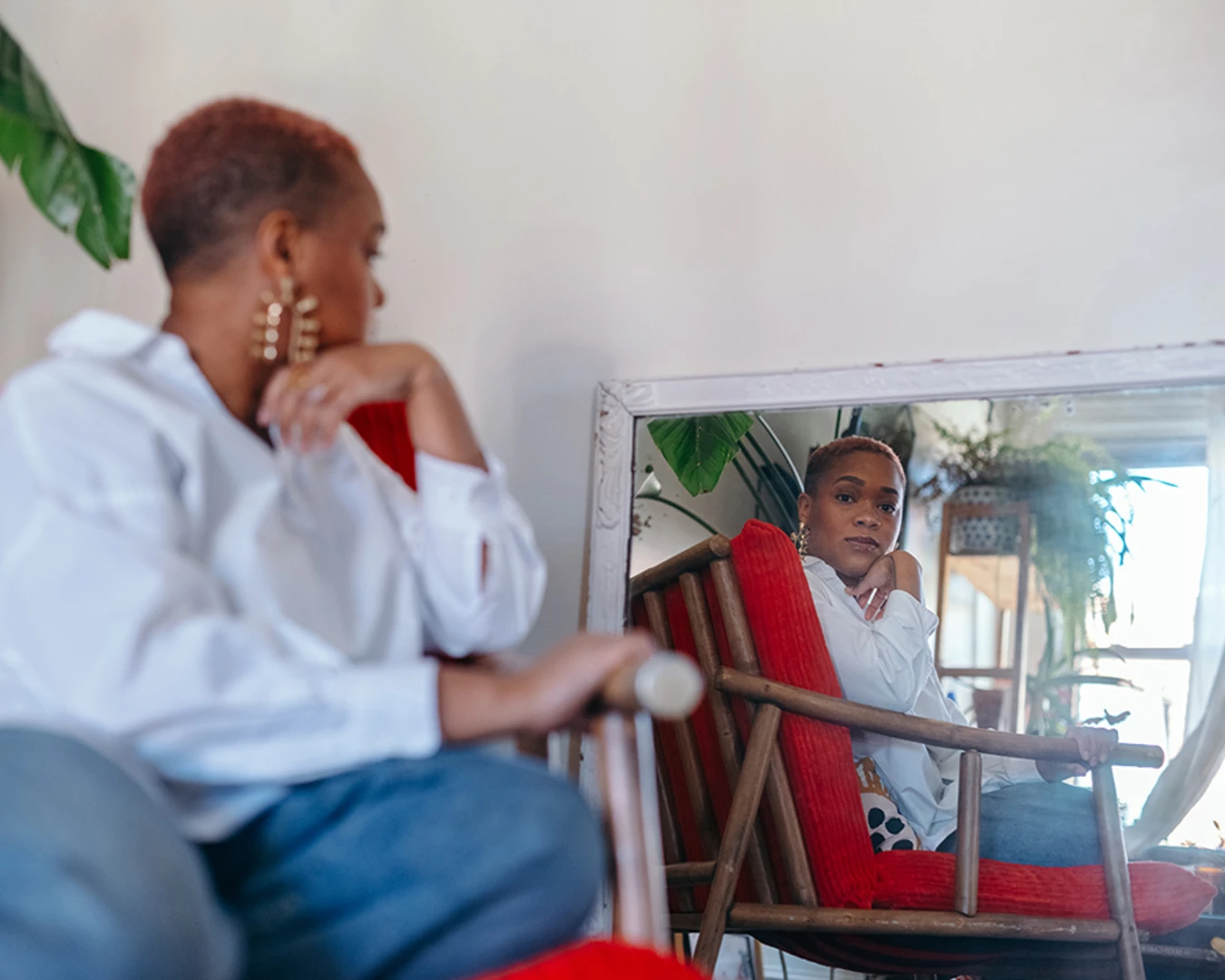
In 2023, when filmmaker Tshay was in the early stages of her first animated film, Tell Me When You Get Home, she used a text-to-image AI tool called Midjourney to help develop the concept art. “I’d never worked in animation before and I had no idea how to illustrate the images I had in mind,” she recalls. “Midjourney became an important interlocutor, so to speak, by allowing me to prompt images that far surpassed what I could have created on my own.”
Three years later, she tells us she feels “unsettled” by the profusion of AI in the creative field. “Image making is rigorous and precious. Should that process be automated? I’m not so sure. What troubles me about an artificial future is that it feels there is no way to opt out. Given the failing promises of big tech and the intense environmental toll that AI takes on the planet, it’s hard to understand why we don’t have an off button. Even in a world where our work is made faster or cheaper by artificial intelligence, the outcomes are net-negative for most people. It doesn’t feel worth the price.”
Tshay, Tell Me When You Get Home, animated short, 2025. Image courtesy of Studio Tshay.
In Zac Manuel’s documentary The Instrument, the filmmaker and his father explore the use of AI to recreate the singing voice of a deceased relative. While he lauds technological advances that make filmmaking more accessible and increase the diversity of voices making work, he finds AI in documentary “much more fraught.”
“Maybe AI is ‘just a tool,’ but I don’t think so,” Manuel says. “Once it’s imbued with human intention, it shapes us in unpredictable ways. I read that a social scientist named our interaction with AI the Terra Incognita, or the unknown land. We don’t yet know what it means to be in relationship with machines and algorithms, and I find it both thrilling and terrifying.
“AI opens new artistic possibilities: resurrection, speculation,” Manuel continues. “But it comes with a great cost: environmentally, socially, in the unseen labor of others, and culturally, in who the tech reflects and who it erases.”
"We don’t yet know what it means to be in relationship with machines and algorithms, and I find it both thrilling and terrifying." - Zac Manuel
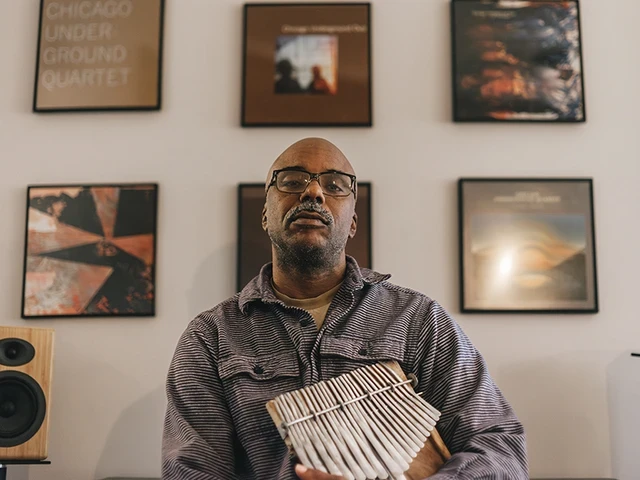
Jazz composer and band leader Chad Taylor doesn’t see a place for AI within his music-making practice that is rooted in collaboration with his fellow musicians. He says, “The art and music I make cannot be reproduced by AI, simply because it cannot create human intention. My music is a spiritual practice, the purpose of which is very different than AI.”
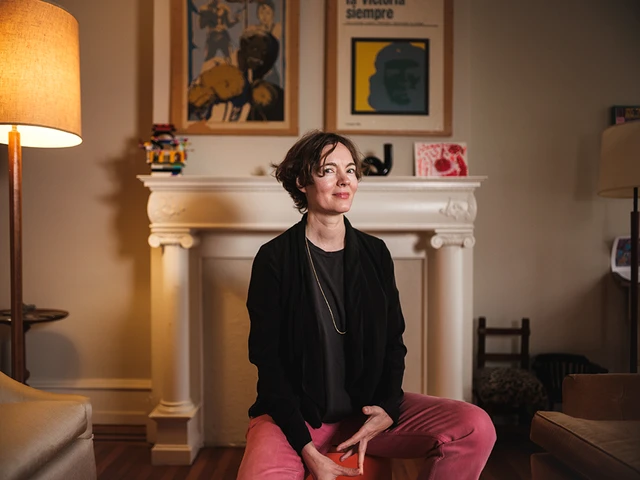
This is echoed by filmmaker Stewart Thorndike, who believes that AI can replicate, but it cannot create. “Real art morphs and grows and responds in unpredictable, messy, and very human ways that a machine could never anticipate,” she says. “AI is poised to ravage careers in art and influence appetites for art. But I don’t think it can ravage art.”