Exhibitions and performances may be temporary, but their ideas can continue to unfold through books, records, and films. The Center’s grants often support a project’s public programming as well as its companion documentation. These recent publications and other media offer windows into artists’ creative processes, tell the stories of Philadelphia residents, and expand scholarship across the cultural field. Find out how you can explore this work beyond galleries and stages.
Insights into Artists’ Practices
Syd Carpenter: Planting in Place, Time, and Memory
Pew Fellow and ceramicist Syd Carpenter is the subject of a multi-site career retrospective in 2026. Planting in Place, Time, and Memory at Woodmere Art Museum explores her work’s engagement with African American history, land stewardship, and the human form. Edited by Woodmere’s William R. Valerio, the catalogue provides the first comprehensive resource on Carpenter’s art, with over 100 color reproductions of her ceramic sculptures and garden projects, as well as essays by scholars.
Jerrell Gibbs: No Solace in the Shade
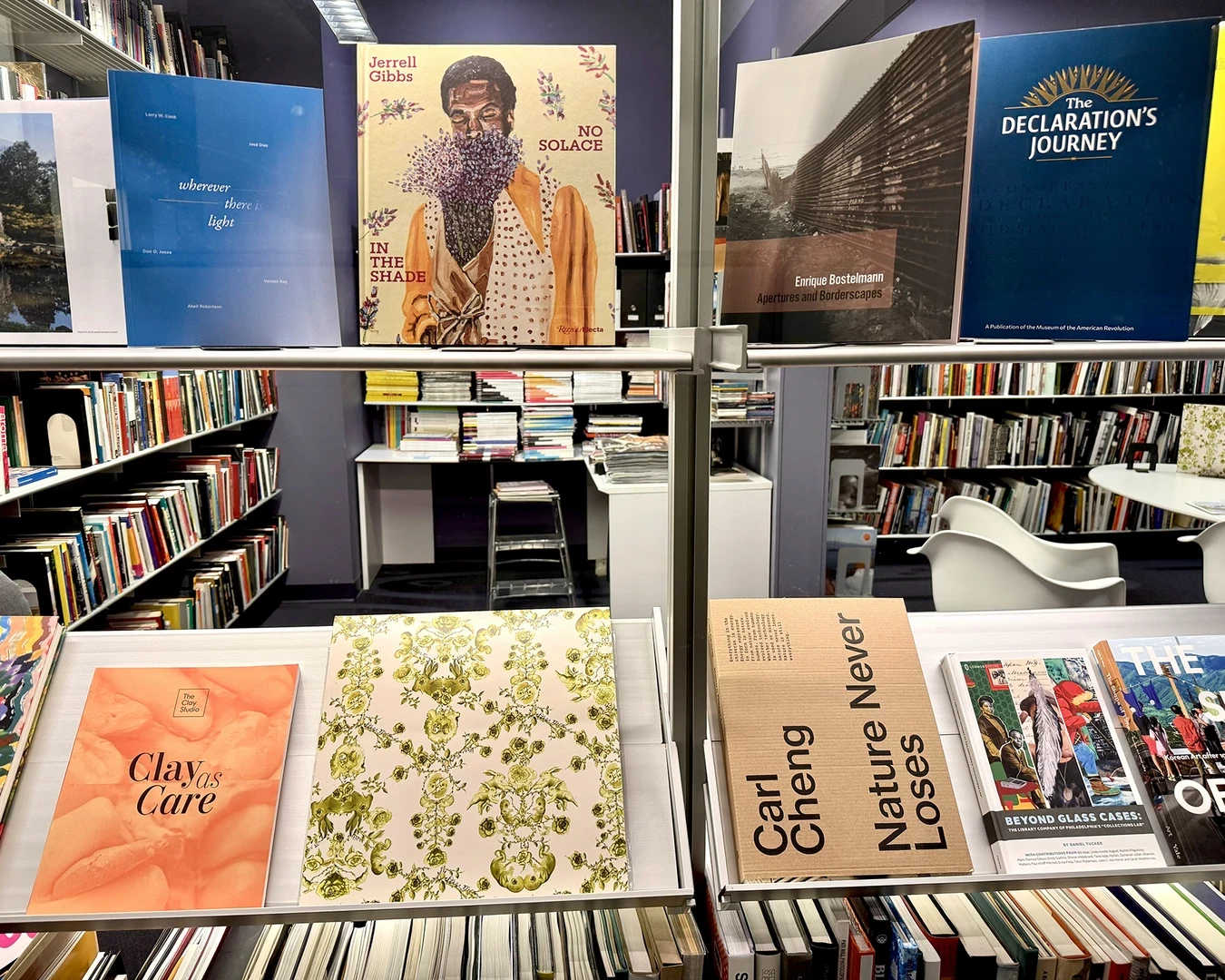
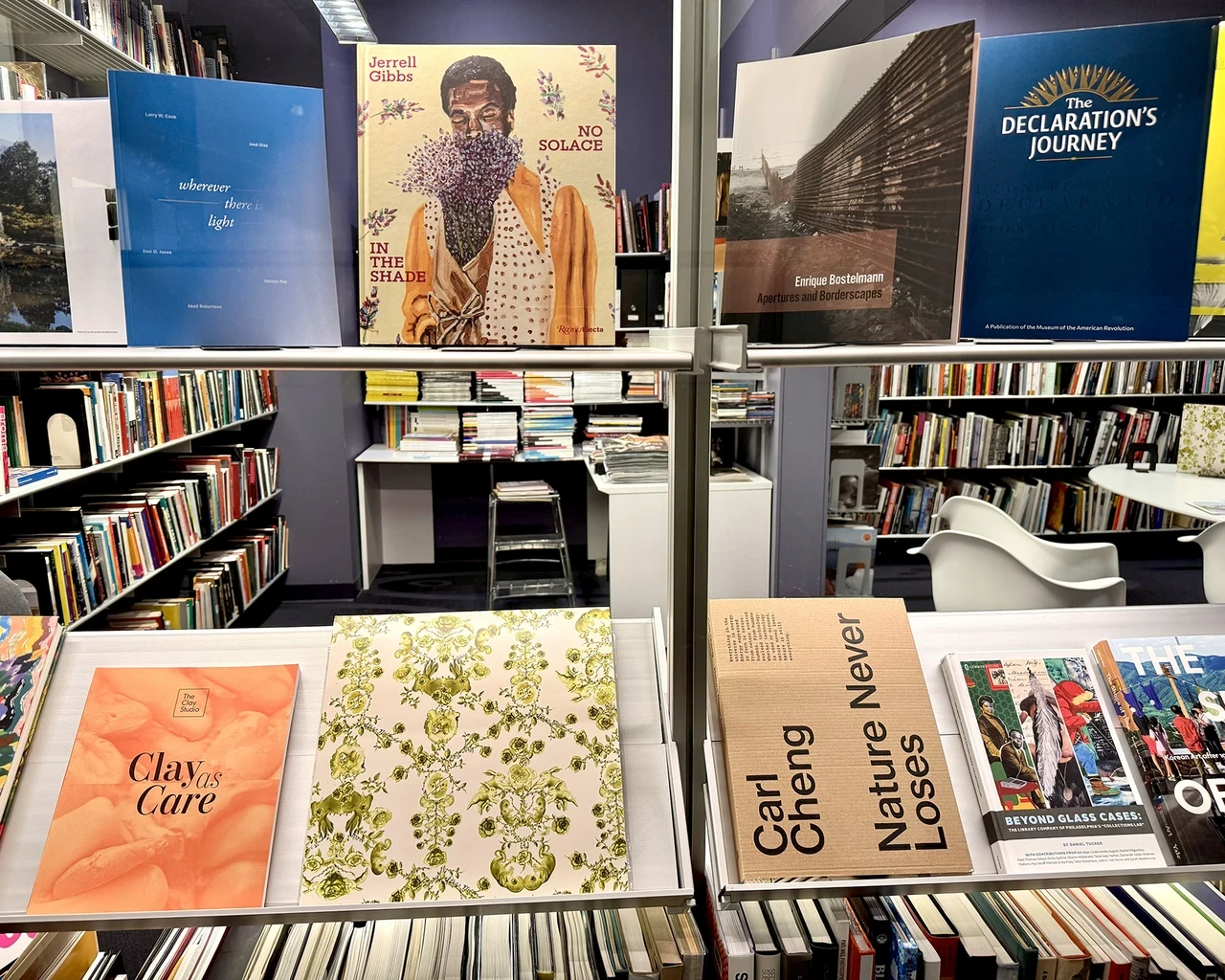
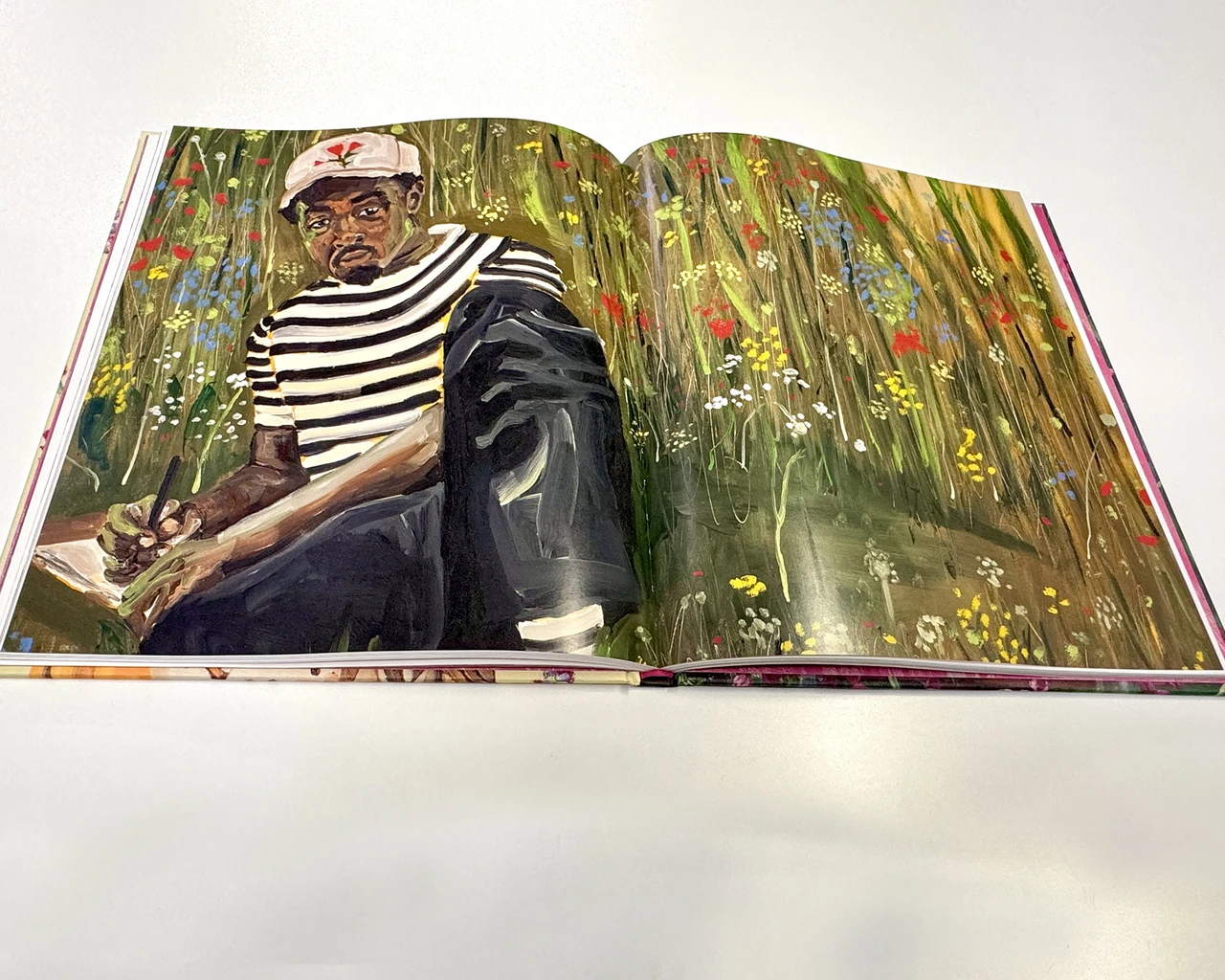
A monograph on Baltimore artist Jerrell Gibbs follows the first major exhibition of his work, No Solace in the Shade at the Brandywine Museum of Art. The companion catalogue captures Gibbs’ paintings that draw from archival family photographs and depict scenes of community and everyday life in vibrant colors. “Through the artist’s brush, ordinary moments feel almost sacred,” writes Essence magazine’s Okla Jones. The book is authored by the exhibition’s curator and art historian Angela N. Carroll, with contributions from scholar Jessica Bell Brown, poet Nia June, and critic Larry Ossei-Mensah.
Carl Cheng: Nature Never Loses
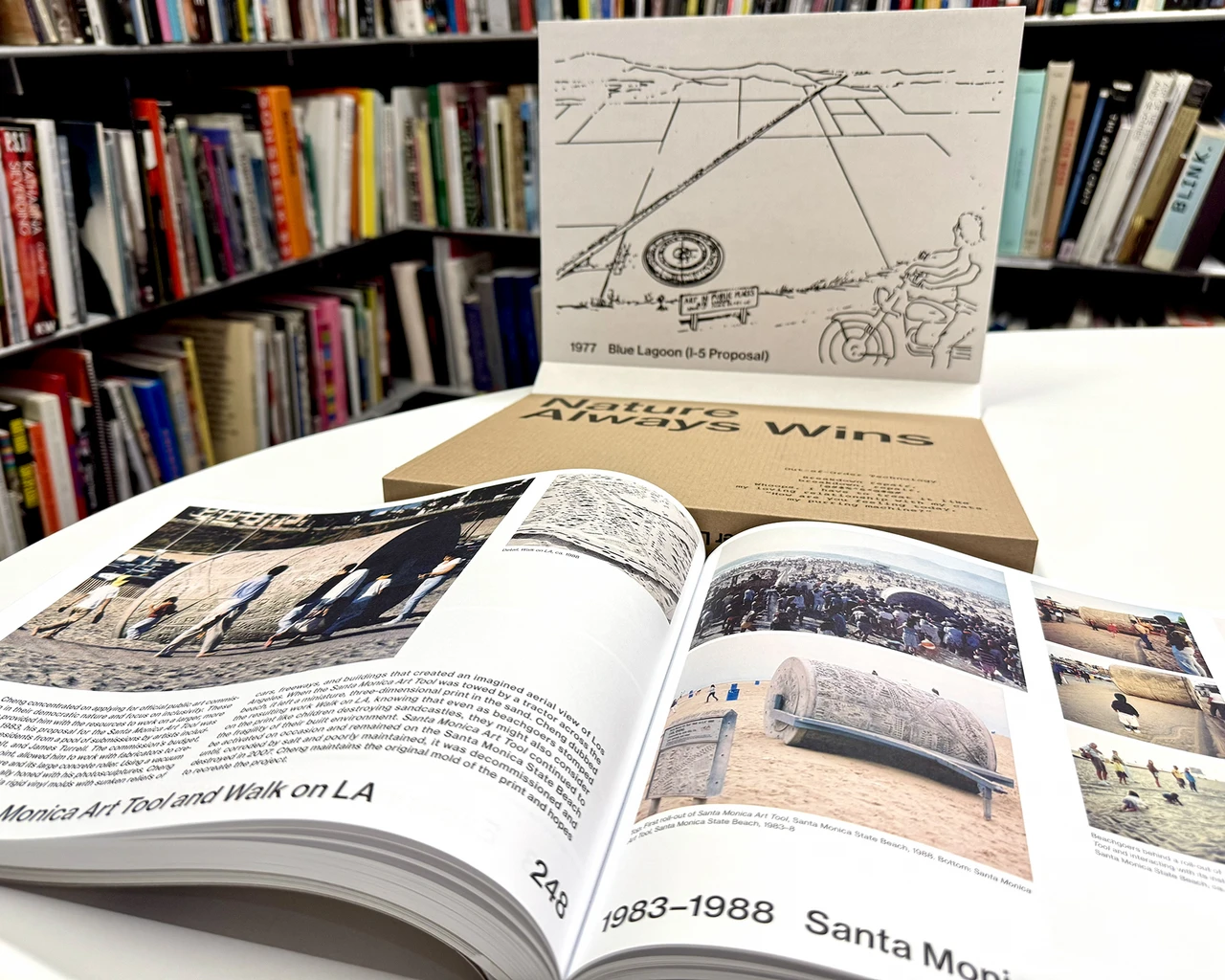
In his six-decade career, Los Angeles-based artist Carl Cheng has addressed accessibility, climate change, and discrimination through a variety of media, including kinetic sculpture, photography, drawing, and video. Nature Never Loses surveyed his oeuvre in an exhibition organized by The Contemporary Austin, Texas, in partnership with the Institute of Contemporary Art at the University of Pennsylvania, where it was presented in Philadelphia in 2025. The exhibition catalogue includes archival material and essays by Cheng on his practice. For more, read our conversation with Cheng on the concept of being a “contemporary artist” in this Questions of Practice interview.
Enrique Bostelmann: Apertures and Borderscapes
In the 1970s, Mexican photographer Enrique Bostelmann (1939-2003) documented political upheaval while traveling across Latin America with his wife. Over the ensuing decades, his work became increasingly more experimental and conceptual. The retrospective Apertures and Borderscapes at Ursinus College’s Berman Museum drew on Bostelmann’s archives. Its catalogue, available for purchase at the museum, includes scholarship from historians and critics, along with new interviews with his family conducted by curators on research trips to his home studio in Mexico.
Expansive Exhibitions
As the nation’s Semiquincentennial approaches, The Declaration’s Journey at the Museum of the American Revolution takes an in-depth look at the legacy of America’s founding document, the Declaration of Independence. This illustrated catalogue is a resource for educators and history enthusiasts alike, tracing the Declaration’s impact across centuries, from inspiring the founding documents of other nations to influencing the movements for Civil and LGBTQ+ Rights.
Four ceramic artists whose practices center healing, rest, and resilience took part in Clay as Care, an exhibition at The Clay Studio that explored the medium’s impact on personal and communal health. The companion publication showcases work by Pew Fellows Maia Chao and Adebunmi Gbadebo, and Jennifer Ling Datchuk and Ehren Tool, along with essays about clay and neuroaesthetics, clay as a therapeutic tool, and findings from the Clay as Care symposium, which brought artists, curators, and researchers together for a series of talks on clay and health.
Community Voices in Print
A cohort of formerly incarcerated artists share their stories through photography and multimedia work in Wherever There Is Light, an exhibition that showed at the TILT Institute for the Contemporary Image in 2024 and has since traveled to New York University, with an upcoming run at Washington D.C.’s Howard University. The exhibition’s catalogue showcases the artists’ work addressing the effects of mass incarceration, documents their creative processes, and offers takeaways and resources for art educators working with justice-impacted individuals.
We Here: What Kind of Artist Will YOU Be?
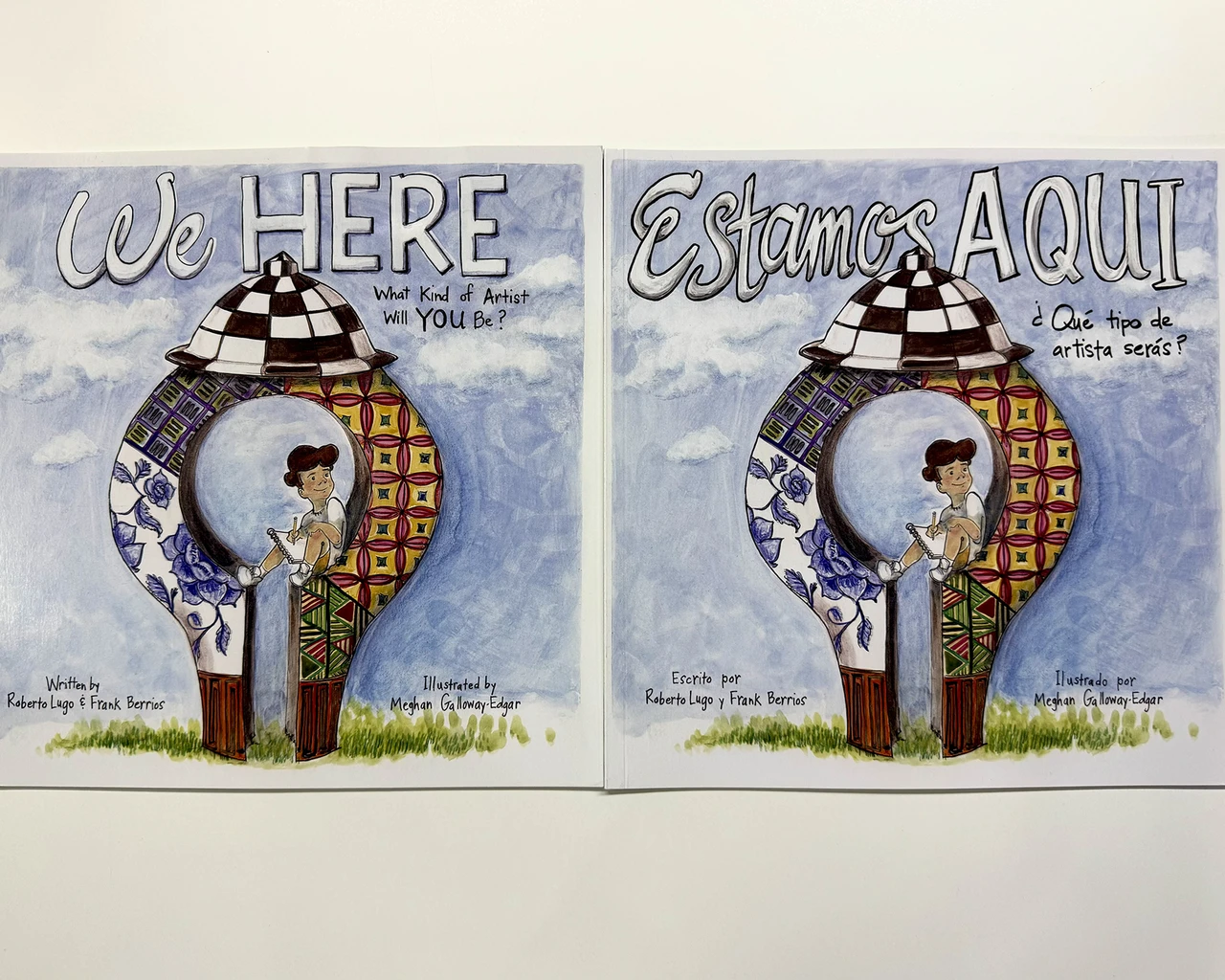
Pew Fellow Roberto Lugo worked with Philadelphia’s Kensington community to design large-scale ceramic vessels inspired by street culture, graffiti, and hip-hop as part of We Here, presented by Mural Arts Philadelphia. Along with neighborhood installations and a documentary, We Here includes a children’s book, written by Lugo and Frank Berrios and illustrated by Meghan Galloway-Edgar. Available for free to Kensington families in English and Spanish editions, it aims “to foster a love of art-making in the neighborhood’s next generation.”
The Library Company of Philadelphia looked at how museums can transform collection items with challenging histories into collaborative conversations in Beyond Glass Cases. The resulting publication and multimedia website draw from the project’s collaborations with practitioners in anthropology, history, music, and visual art as they sought to consider new approaches to exhibition design, historical interpretation, and institutional collecting practices.
Music Releases
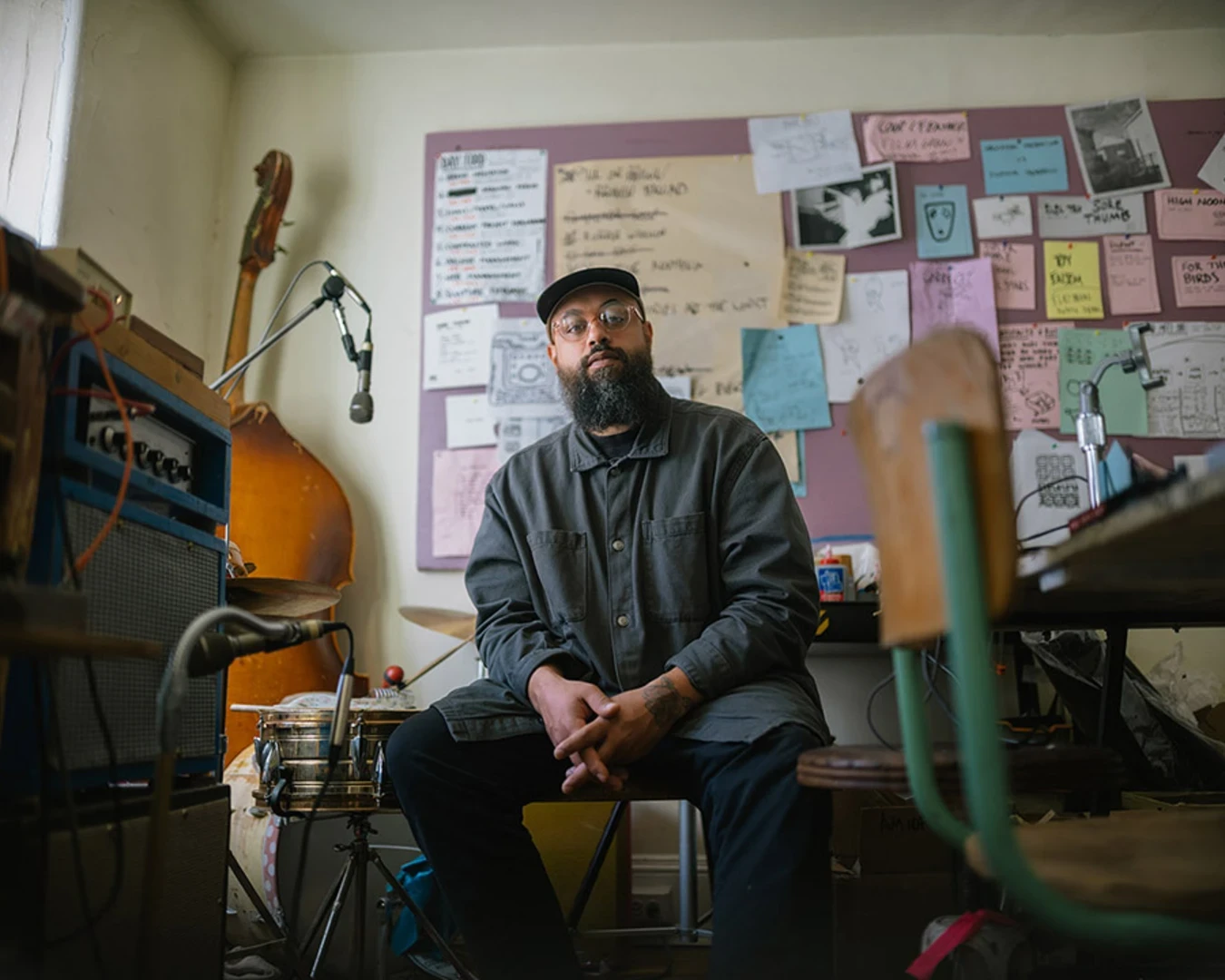
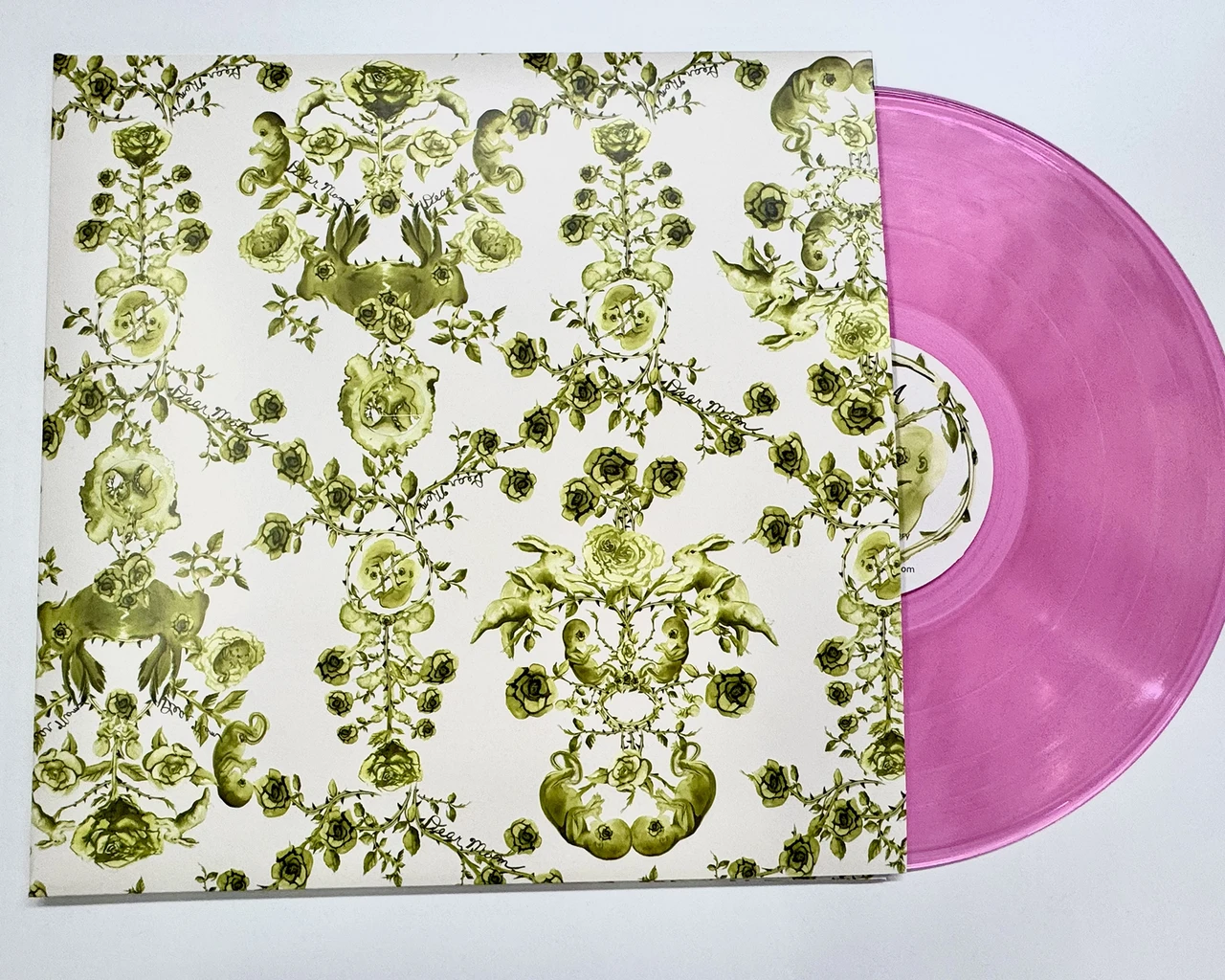
Pew Fellow and performance artist Rose Jarboe tells the story of her gender journey in The Rose Garden, a vinyl album documenting her performance-installation at The Fabric Workshop and Museum. The immersive installation incorporated video, images, and music, embodying Jarboe’s experiences and asking audiences to examine their own relationships to gender. The record contains songs and storytelling, as well as printed lyrics and exhibition photography.
Farming, a choral work composed by Ted Hearne and commissioned and premiered by The Crossing, grapples with the impact of settler colonialism on current labor practices from tech to agriculture. Reviewing its original performance on the site of a working farm, The New York Times' Zachary Woolfe called the work “a suggestive, chaotically ambitious, often poignant reflection on colonization, consumption, marketing, entrepreneurship.” A recording is available in vinyl and digital formats, along with printed lyrics that juxtapose excerpts from William Penn’s letters, public addresses by Jeff Bezos, and fragments of advertising copy.
Performances and Multimedia
Pure Lucia: The life and work of Lucia Dlugoszewski
The legacy of avant-garde composer Lucia Dlugoszewski (1925–2000) was the topic of Pure Lucia, a festival and virtual lecture series programmed by Bowerbird in 2025 for the centenary of her birth. Dlugoszewski was a prolific composer and instrument inventor whose work extends to poetry, dance, and film. Though the project’s events have passed, the Pure Lucia website remains an information-rich resource, with a robust collection of essays, archival images, audio, and video.
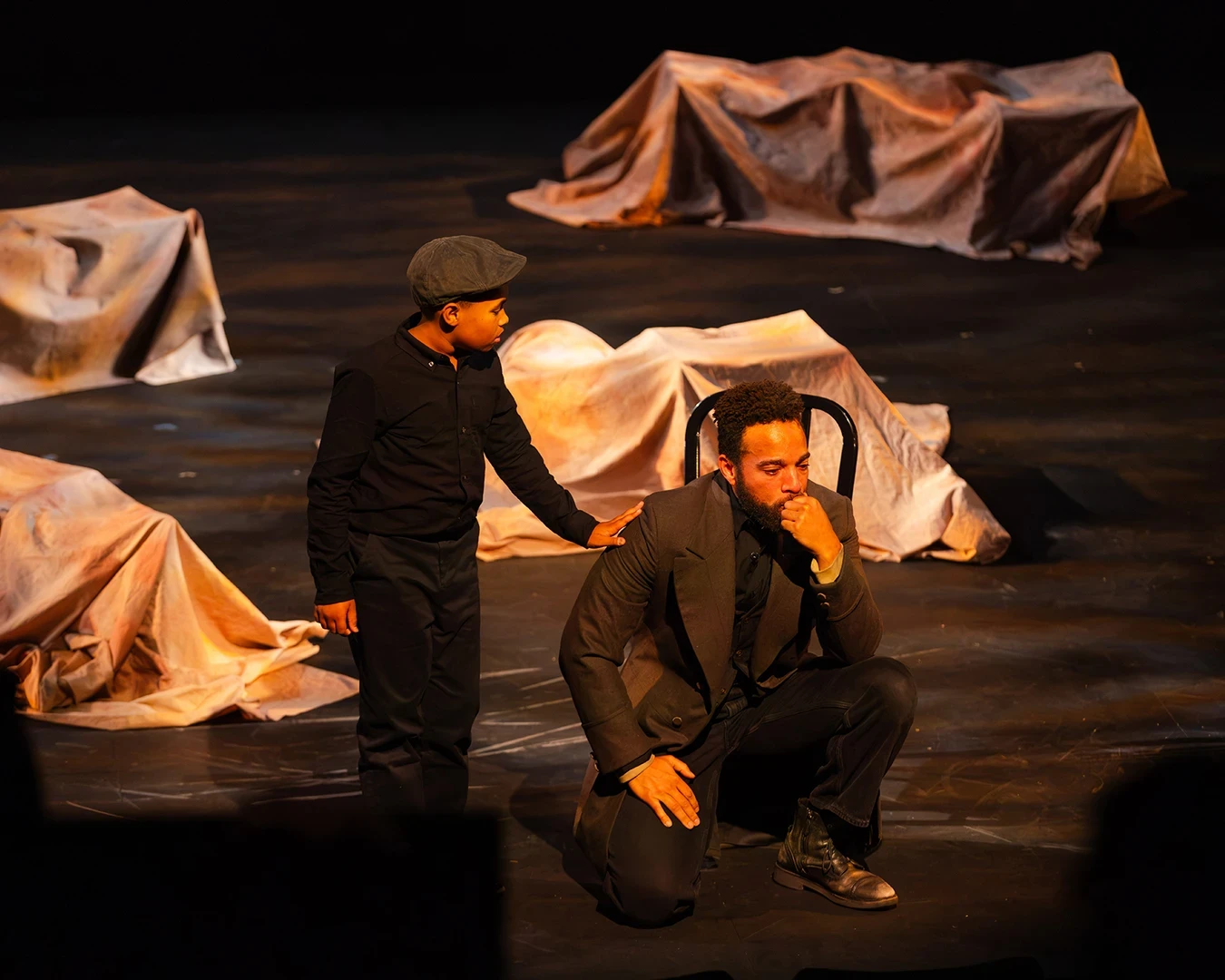
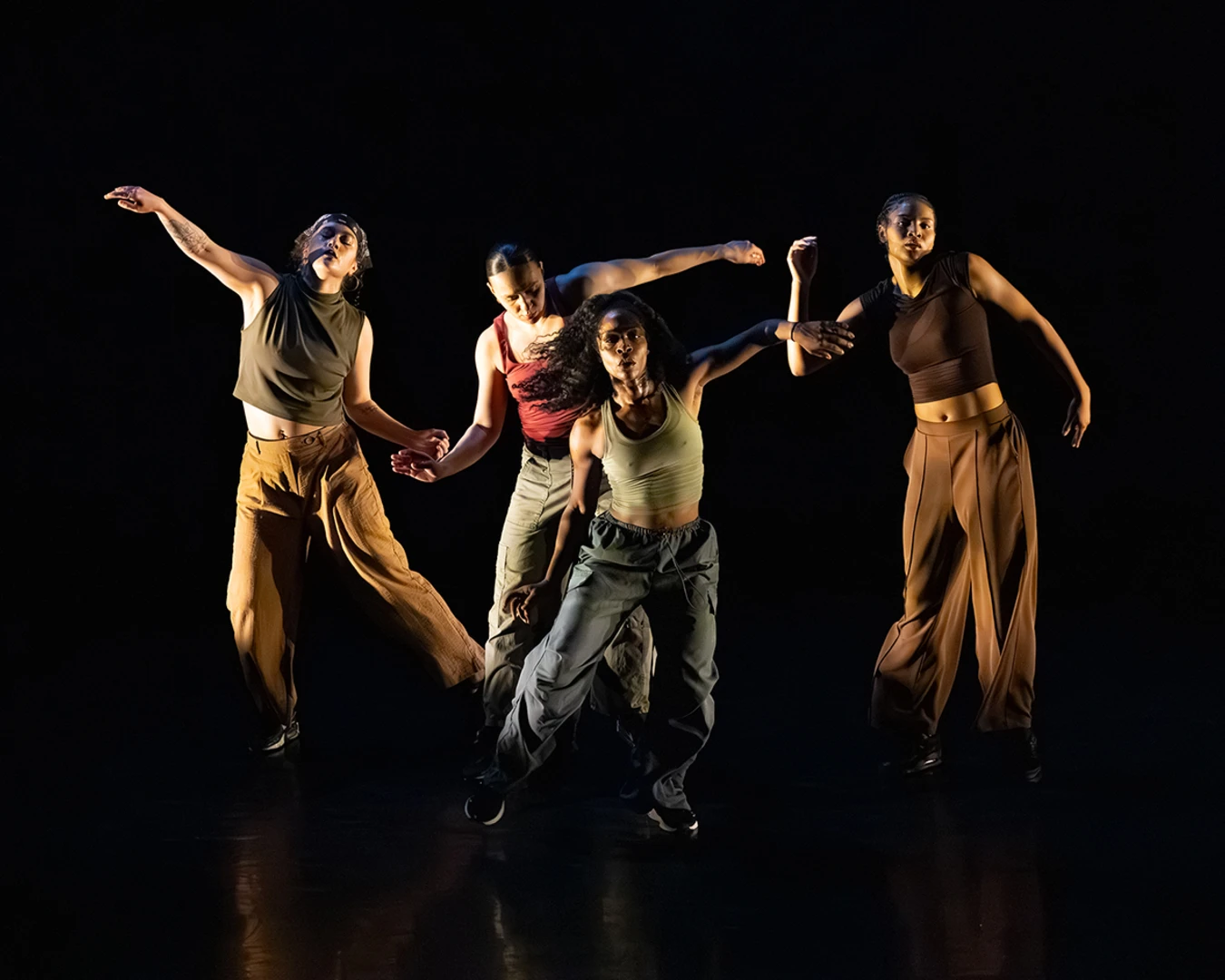
In spring of 2025, multidisciplinary artist Joiri Minaya's Venus Flytrap reflected on the intertwined legacies of freedom, extraction, and ecology through a series of performances at Bartram’s Garden, presented by BlackStar Projects. A short video documentary takes viewers behind the scenes with Minaya and her collaborators—including writer and curator Dessane Lopez Cassell, choreographer and Pew Fellow Jonathan González, and producer Farrah Rahaman—as they prepare to debut the performance.