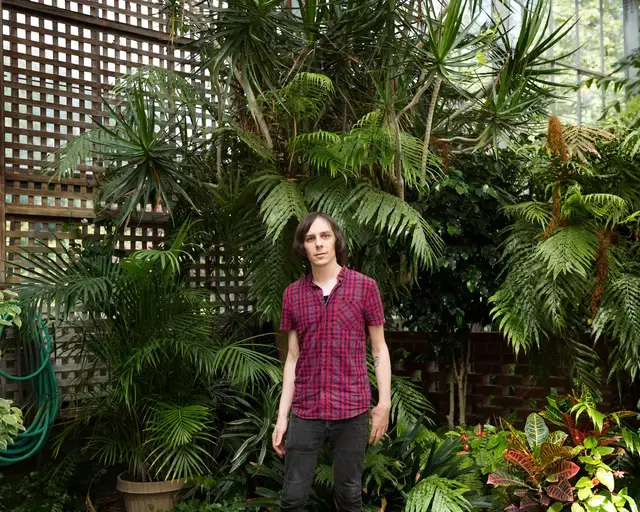
Fellows Friday: Q&A with Musician Chris Madak
Musician and Pew Fellow Chris Madak on artistic motivation, the notion of "perfection," and more.
What drives cultural practitioners to experiment, discover, and create?
Musician and Pew Fellow Chris Madak on artistic motivation, the notion of "perfection," and more.
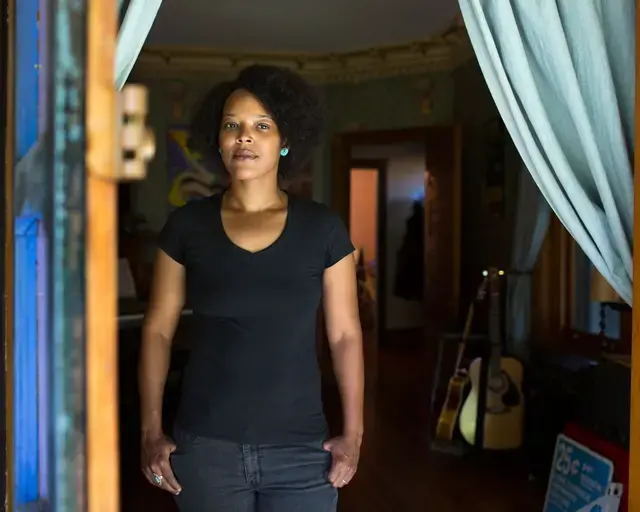
We spoke to poet Yolanda Wisher (2015), who merges the personal and the political, writing for both artistic and community-oriented pursuits.
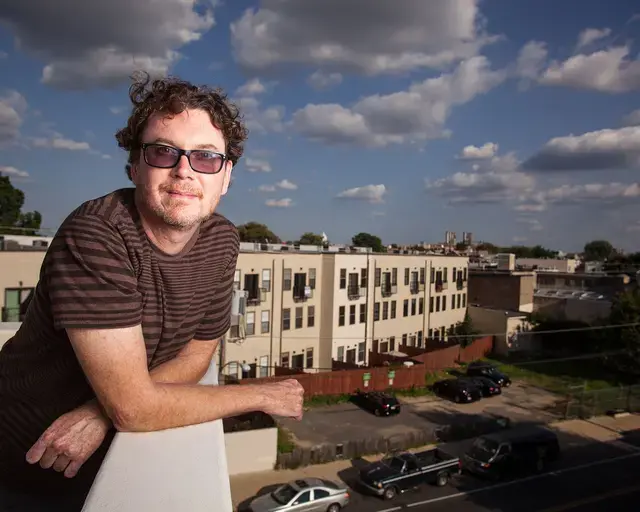
Pew Fellow Bhob Rainey talks about the relationship between noise and music.
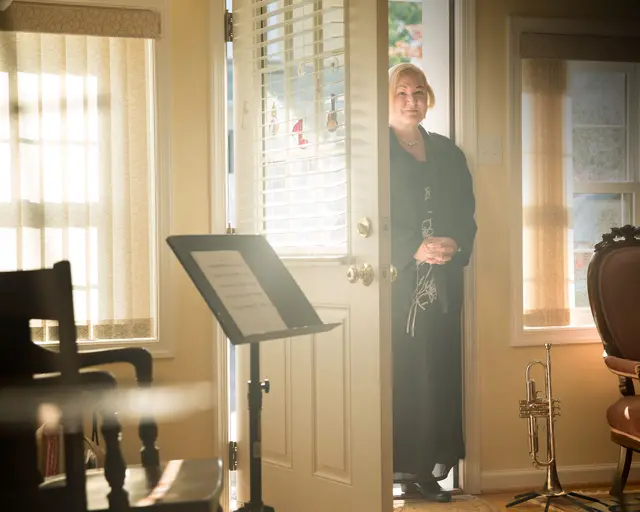
Susan Lankin-Watts talks about her family's rich musical legacy, the importance of her audience's support, and more.
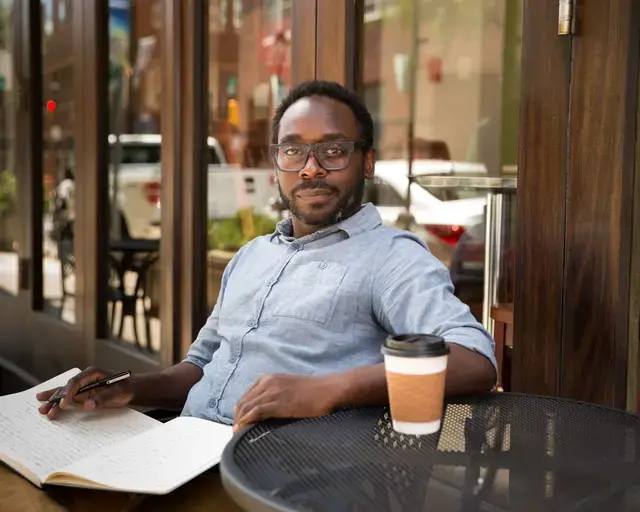
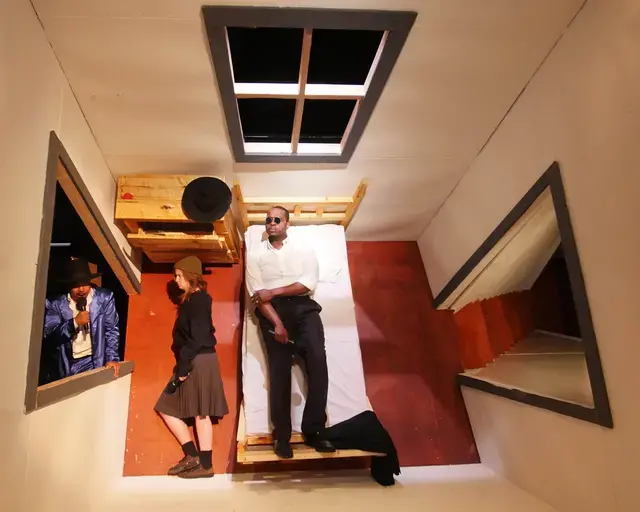
We spoke to actor and playwright James Ijames (2015), who was recently awarded the Philadelphia Theatre Company’s Terrence McNally New Play Award for the development of his play White.
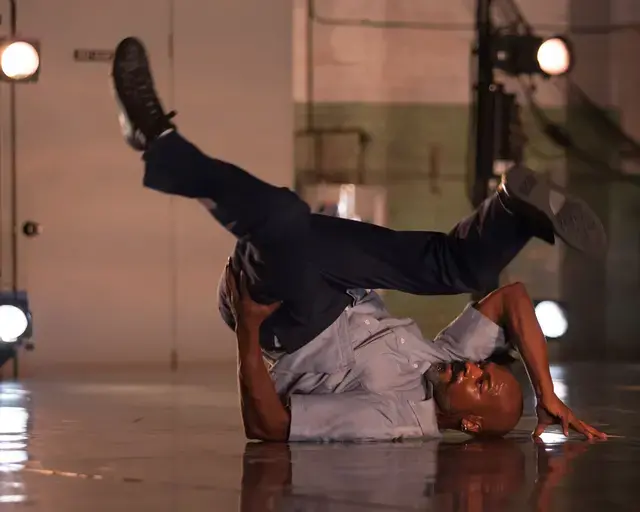
Hip-hop dancer and Pew Fellow Raphael Xavier talks about how performing on the street differs from performing on stage.
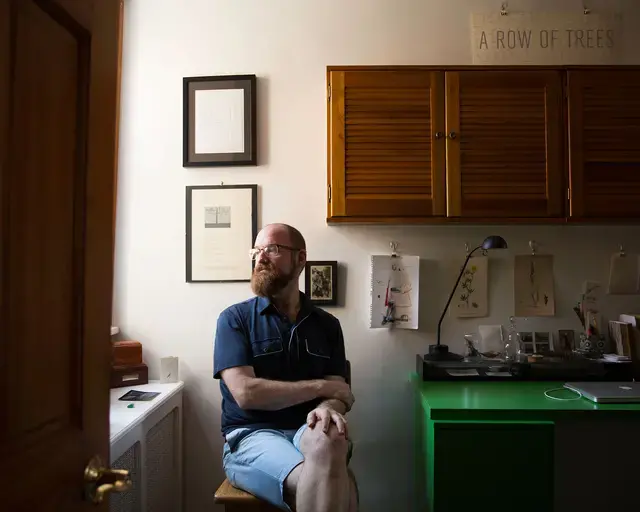
A former NEA Fellow in Literature, Brian Teare has been a resident at Headlands Center for the Arts and the MacDowell Colony, and a recipient of the Ruth Lilly Fellowship and the Wallace E. Stegner Fellowship.
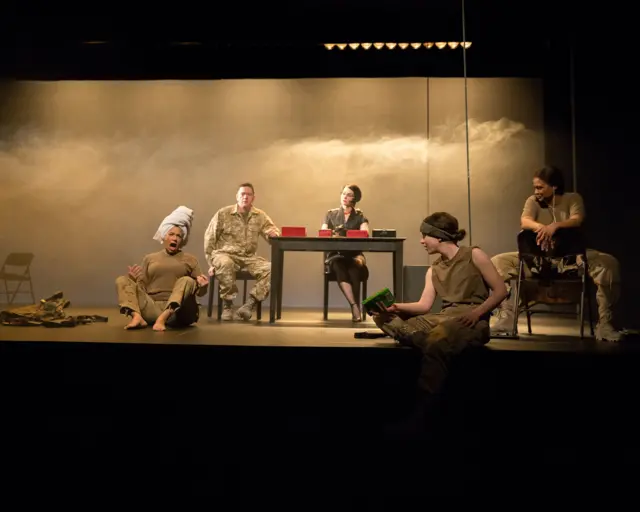
Blanka Zizka, Wilma Theater's Artistic Director, on risk in theater-making.
During a recent conversation at The Pew Center for Arts & Heritage, our visiting scholar Kristy Edmunds asked Philip Bither about making curatorial choices that lead to dynamic artistic experiences for audiences.
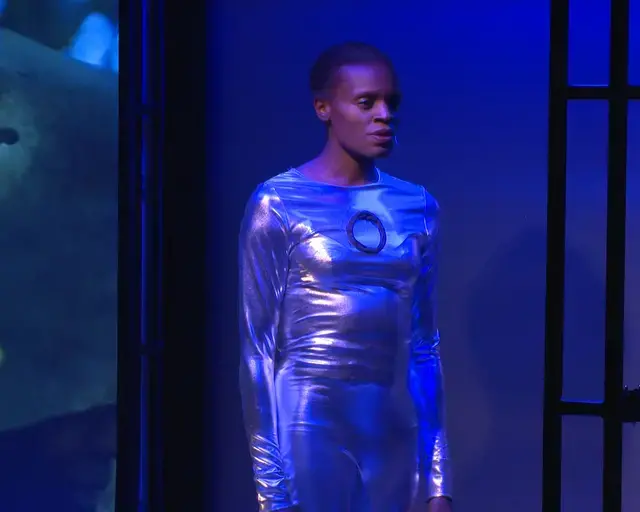
Choreographer Ralph Lemon talks about ephemerality in relationship to his work in the dance field, and the complexity of memory.