Pew Center for Arts and Heritage

Get our monthly newsletter in your inbox for the latest on cultural events, ideas, conversations, and grantmaking news in Philadelphia and beyond.

Main page contents

Playwright Anna Deavere Smith on "Crossing the Bridge Between Me and You"

Close Transcript
Transcript permalink

I like to think I'm a humanist. That doesn't mean that's not an activist, especially now. But I'm a Martin Buber person, the Jewish philosopher Martin Buber who wrote a very important book, I And Thou. The basic idea is that we're in relationship to one another from the very very beginning, from our first baby reach.  

And so that I—I and you, I and thou—I, when I look at you, have a choice. Are you a thing? Or are you another human being? And so my work has really been about that. And so I hope that it certainly extends into the plays that are not based on real people, and that I'm not breathing into. Because it's implied, if I play a rodeo cowboy, or Lance Armstrong, or if I play the sister of someone who was murdered, it's implied that I believe that this possible bridge exists. Right? Because I'm taking on this other person and trying very hard to do it without so-called "judgement."  

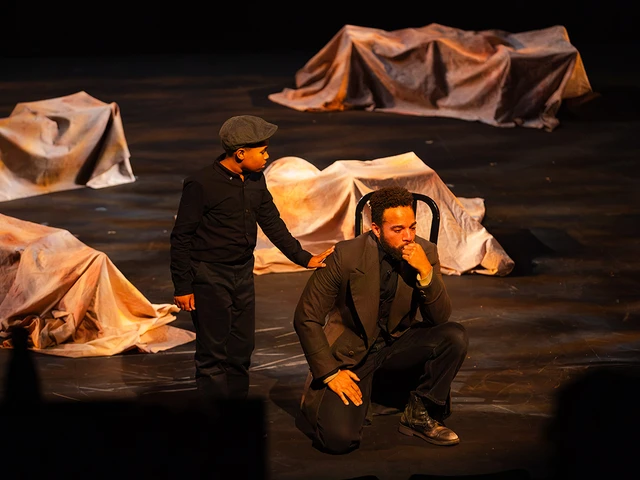
But I hope that when people see Basil Biggs, they will see that the same thing operates in this play. In looking for fictional characters, for example, there are two Quakers in the play, there's a love affair in the play that can't happen because of race, but I have a Black person and a white person falling in love. I have a woman who comes from Kentucky to try to find her dead son and her dead husband, the husband being Confederate, the son being a Union soldier, and having a conversation with my Great-Great-Grandfather and these Black men amidst these dead bodies and she's insisting that they see her as more than just a Confederate wife. 

I hope that in all of my work that this is obvious that I believe in the possibility of crossing the bridge between me and you.

Playwright, actor, and professor Anna Deavere Smith strives to depict characters without judging them. "I, when I look at you, have a choice: are you a thing, or are you another human being?" she asked in an interview at the Center. "I believe in the possibility of crossing the bridge between me and you... My work has really been about that."

This core value comes to life in her documentary plays, including Fires in the Mirror, Twilight: Los Angeles, Let Me Down Easy, and Notes from the Field. Smith's book Letters to a Young Artist underscores the importance of "the eye, the ear, and the heart" and of "wide-awakeness" for artists who seek to contribute to social change.

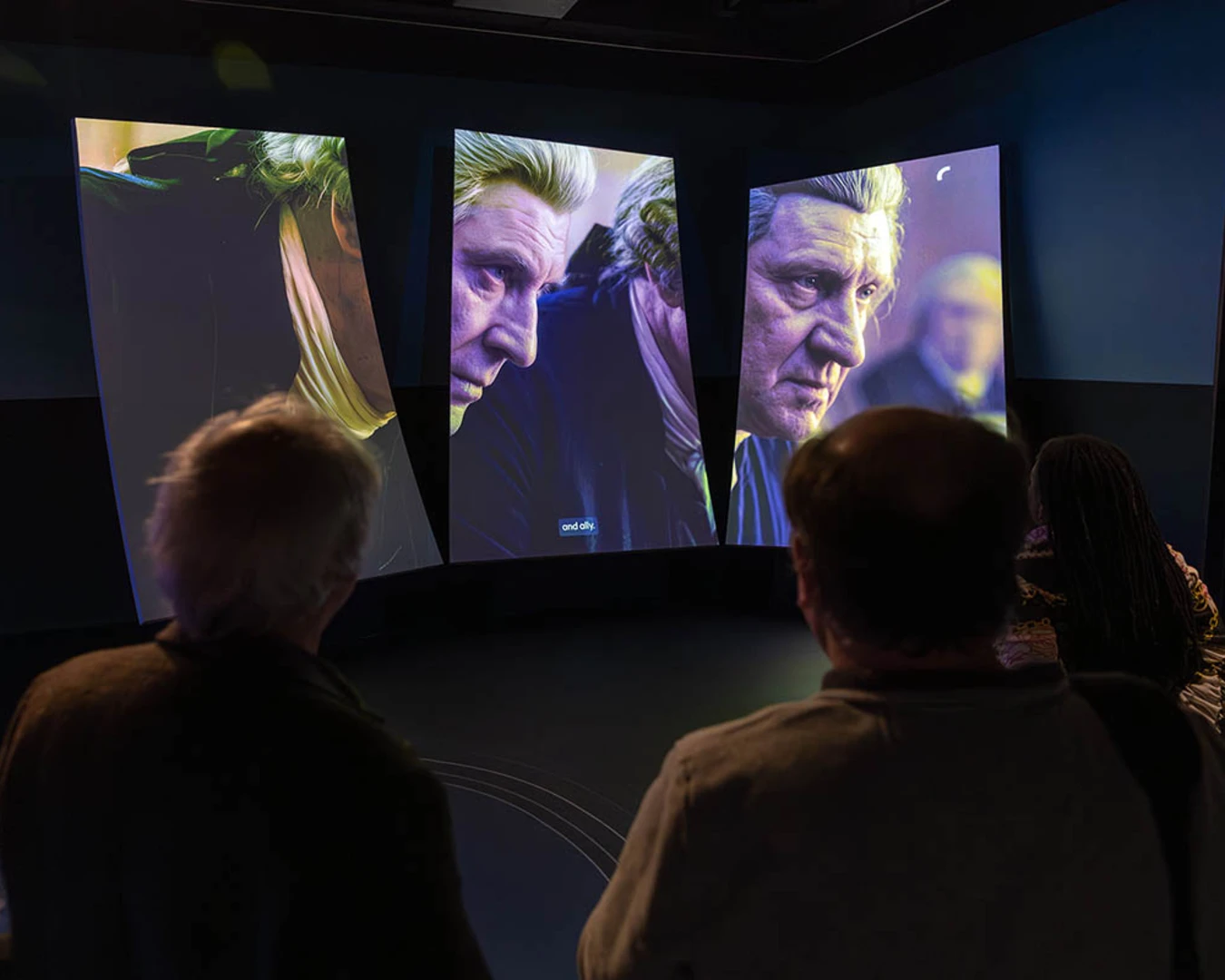
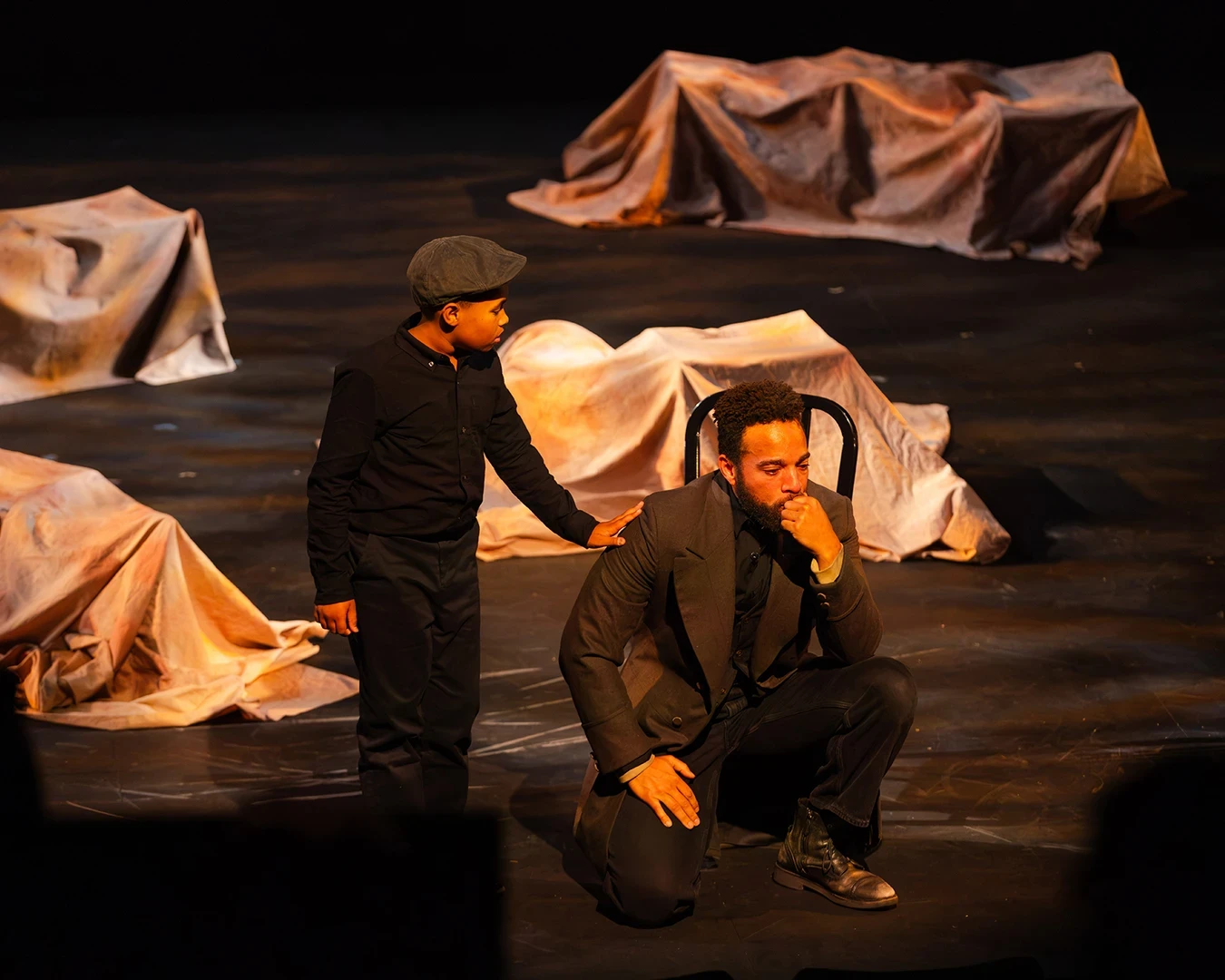
Smith spoke with us while in Philadelphia for the first workshop performances of her new play, Basil Biggs. Developed with support from a Center grant to ArtPhilly, this 2026 work applies her "documentary theater" approach to history. The play illuminates the lives of her own ancestors, who lived in Gettysburg, and how they were impacted both by the Civil War and by the failures of the Reconstruction era.

In this interview excerpt, she reflects on her approach to activism as a theater maker, why she views herself as "a humanist," and how she hopes her plays can foster understanding between people with different lived experiences. 
Anna Deavere Smith creates theatrical works about a complex society through rigorous listening. Her series On the Road: A Search for American Character was developed through hundreds of interviews with people around the country impacted by conflicts around race and class, from the Civil Rights Movement to the Los Angeles Riots. These works pioneered what came to be known as "documentary theater" or "verbatim theater" and earned her the Drama Desk Award for Outstanding One-Person Show in 1993 and 1994. She has been recognized by President Obama with the National Humanities Medal, along with MacArthur and Guggenheim Fellowships and two Tony nominations, among other honors.

Project Grant
artphilly-basil-biggs-2024-01-web.jpg

Basil Biggs

ArtPhilly