Pew Fellow and Interdisciplinary Artist Raúl Romero on “Quiet Persistence” in Creative Practice
Pew Fellow Raúl Romero’s installations merge sculpture, sound design, and performance, using recordings and textures of nature to examine the properties of sound and its capacity to evoke or create memories.
Active in Philadelphia’s arts scene since 2008, Romero says 2026 marked “the busiest spring and summer of my career” during which he exhibited locally at Wallingford Arts, Shipley School, and Art Philly’s What Now: 2026 festival, and outside Philadelphia at the Elizabeth Foundation for the Arts in New York City and Siren Arts in Asbury Park, NJ. In Spring of 2027, he’ll be a featured artist in Monument Lab’s Center-supported exhibition [birdsong].
Romero spoke with us about his creative motivations, the “spirit of community” in Philadelphia’s arts scene, and how the Pew Fellowship is supporting his practice and career.
What is your core motivation as an artist?
Early on, my motivation was rooted in a romanticized idea of freedom and excitement. Today, it’s about protecting time, focus, and expression. As my practice has matured, my motivation lies directly at the intersection of balancing time, labor, and creative energy to accomplish my goals.
Another big motivator is the challenge of navigating how to earn a living while sustaining a studio practice, which is an ongoing process. I come from a humble background—my parents moved to rural Florida from Puerto Rico in the late 1970s—so I closely identify with the first-generation experience. Because of that upbringing, I value my studio hours more than ever. Being afforded the time and space to apply my labor to pure creativity is a hard-earned gift. As I often remind myself: it takes a lot of work just to get to the work.
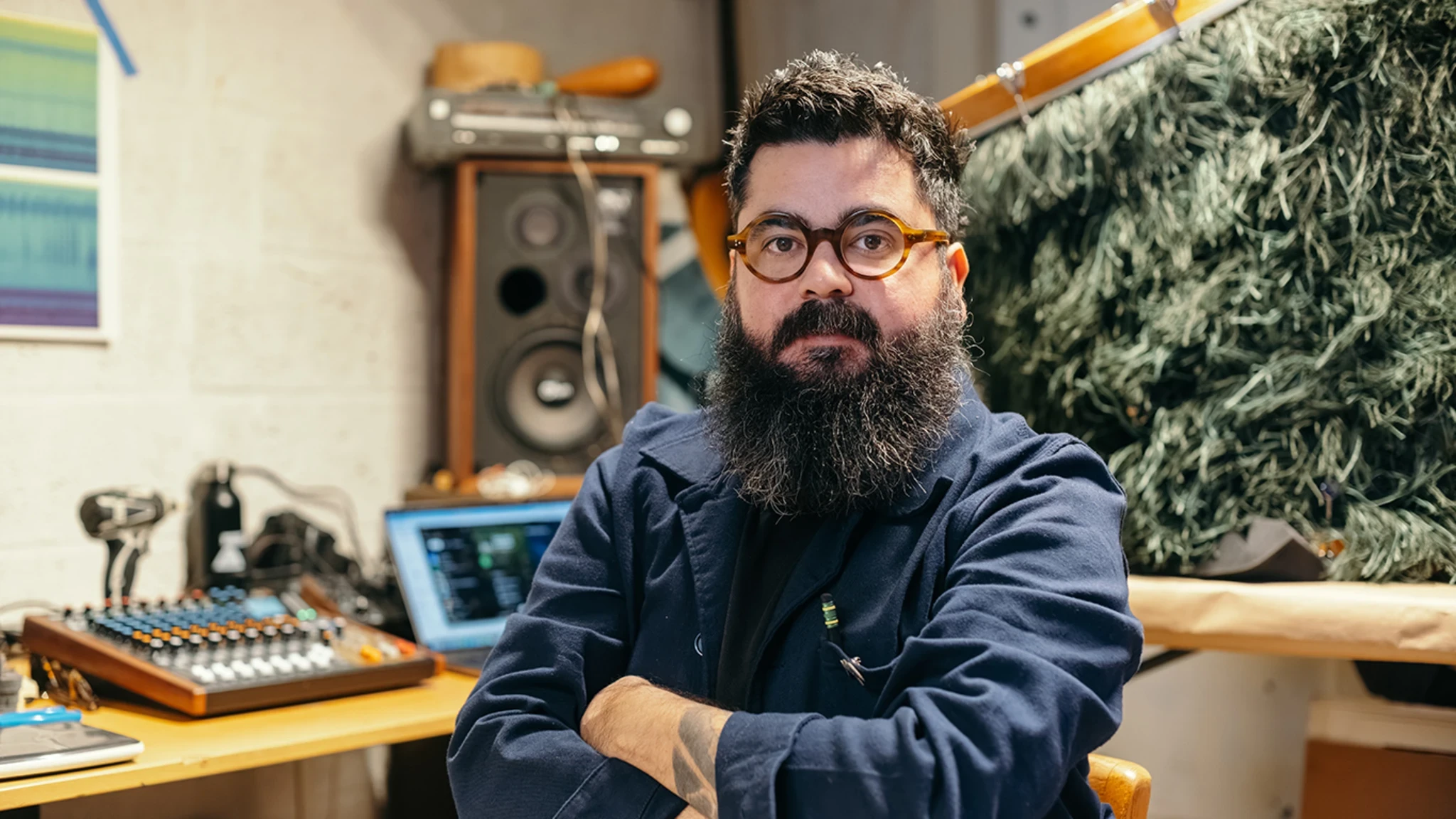
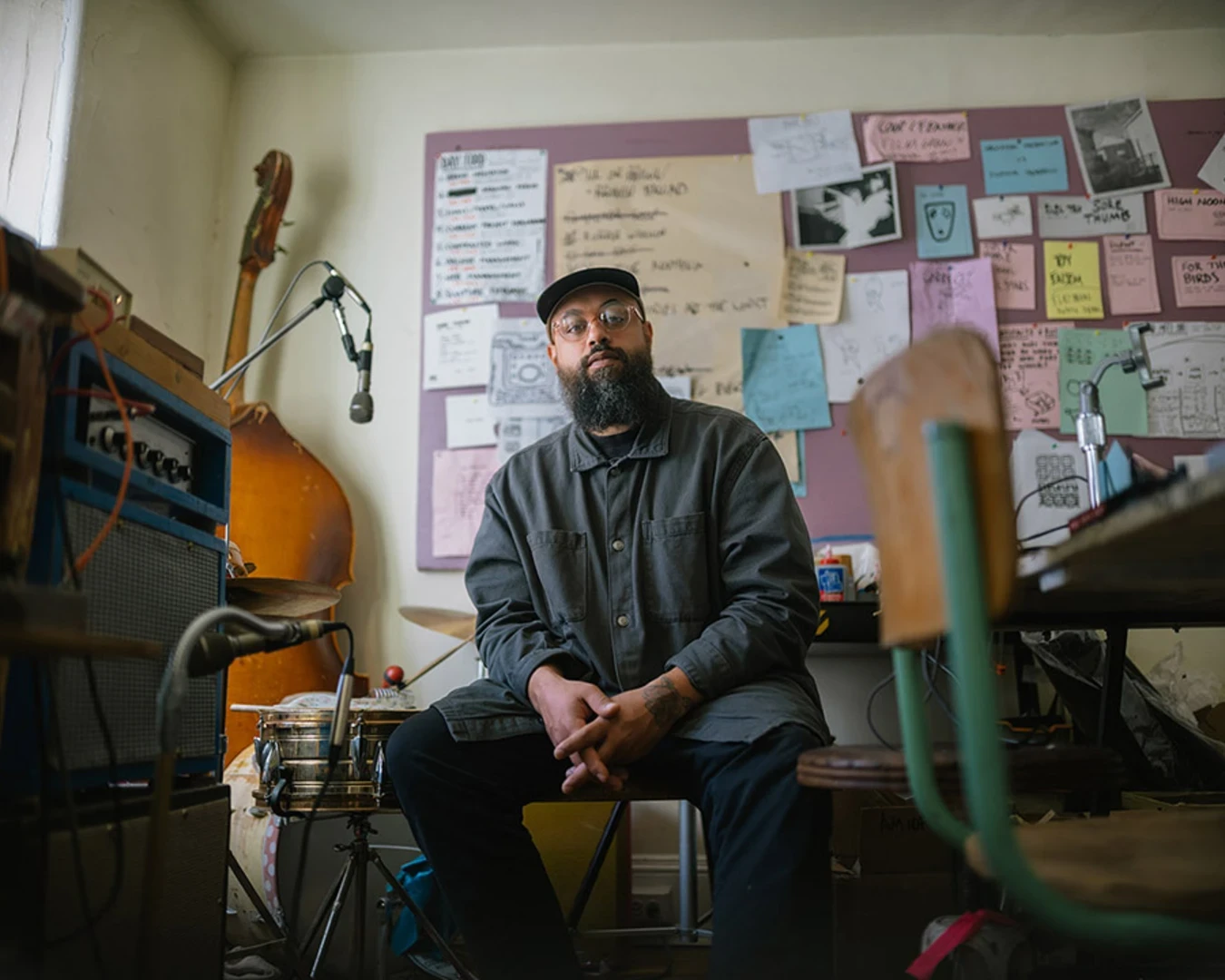
Raúl Romero, 2024 Pew Fellow. Photo by David Evan McDowell.
What is it about the Philadelphia arts and culture scene that keeps you rooted here?
It comes down to the spirit of community and the depth of the relationships I've built here. Philadelphia is where I learned how the art world operates behind the scenes—through my work with institutions, collectives, studios, and galleries such as The Fabric Workshop, the ICA, Pentimenti, Greenhouse Media, Vox Populi, Space 1026, and many others who have supported me with exhibitions like Taller Puertorriqueño. It's the ecosystem that exists in Philadelphia that provides artists with the opportunity to build a life.
What is driving you to create at this moment?
My family. They are both my anchor and my primary engine. Art is my calling, and I strive for excellence in everything I make, but creating is also how I support my family and build a sustainable life. That responsibility gives my studio practice a sense of urgency, accountability, and grounded purpose. My inspiration comes from nature and a connection to creation. Opening my ears to my environment often sparks ideas and curiosity to ask why. That then leads to more listening and figuring out how to find answers, which often leads me to learn how to make the work I imagine.
"It's the ecosystem that exists in Philadelphia that provides artists with the opportunity to build a life."
How has your creative practice evolved in the last five or ten years? What has surprised you in your own work?
Over the last decade, my practice has expanded heavily into physical fabrication, deepening my skills in woodworking, metalworking, and living systems like gardening to build the precise physical and sonic environments I envision. I’ve had to actively catch up on technical skills to match the scale of my concepts. What continues to surprise me is the contrast between my natural instinct to move fast, and the deliberate time the artwork actually demands. Learning patience with materials and processes has been one of the biggest evolutions in my work.
What do you need most to foster your creative process? What are the biggest barriers?
Time, money, and spatial infrastructure are what I need most. To execute ambitious ideas, you need the right tools, proper shop setups, access to funding, and uninterrupted blocks of focus. The biggest barriers are time fragmentation and finding the right collaborators or supporters who align with the vision. Building those relationships and securing resources to realize complex works often takes years of quiet persistence.
Pew Fellow Raúl Romero, Gravitational Grit. Photo by the artist.
What does being an artist mean to you, versus what people think being an artist looks like?
From the outside, people often see the romanticized highlights—traveling, attending gallery openings, and showing work. In reality, being an artist is a rigorous, day-to-day discipline of physical labor, administration, and financial problem-solving. For me, being an artist means maintaining personal and creative agency, which is deeply fulfilling but also very challenging. Being awarded a Pew Fellowship has been genuinely transformational; it's provided a solid financial stepping-stone by sustaining my practice and supporting my family without my having to rely on a traditional 9-to-5.
Between teaching part-time at Rutgers-Camden, custom fabrication work, commissions, and sales, I’ve built a working model that honors my independence. My time during this Fellowship has provided me the opportunity to develop this new way of balancing delicate income streams. This next year is our leap-of-faith year, when we truly put this new creative model to the test and trust our creative practice to provide for us. It’s a sense of tenacity, resilience, confidence, faith, and a trust in my calling that I continue to pursue life as an artist.