Transcript permalink
All my work since I started, specifically in choreographing in the theater, has something to do with the state of humanity or all those things, and spirituality and all those things. And so this is sort of just a reminder, I think, of kind of where I'm still, and where we are still.
In my neighborhood off of Columbia Avenue, and well, now Cecil B. Moore, there was a riot over there in '64, and it was just turmoil. And it hasn't let up. There was a moment, I think, as a child, when you're just being a child and you're not fully aware of the things that are happening in your parents' reality. So that was great. And then as I became acclimated into, or indoctrinated, I guess, into the humanity, for real for real, to wake up part of it, not so good.
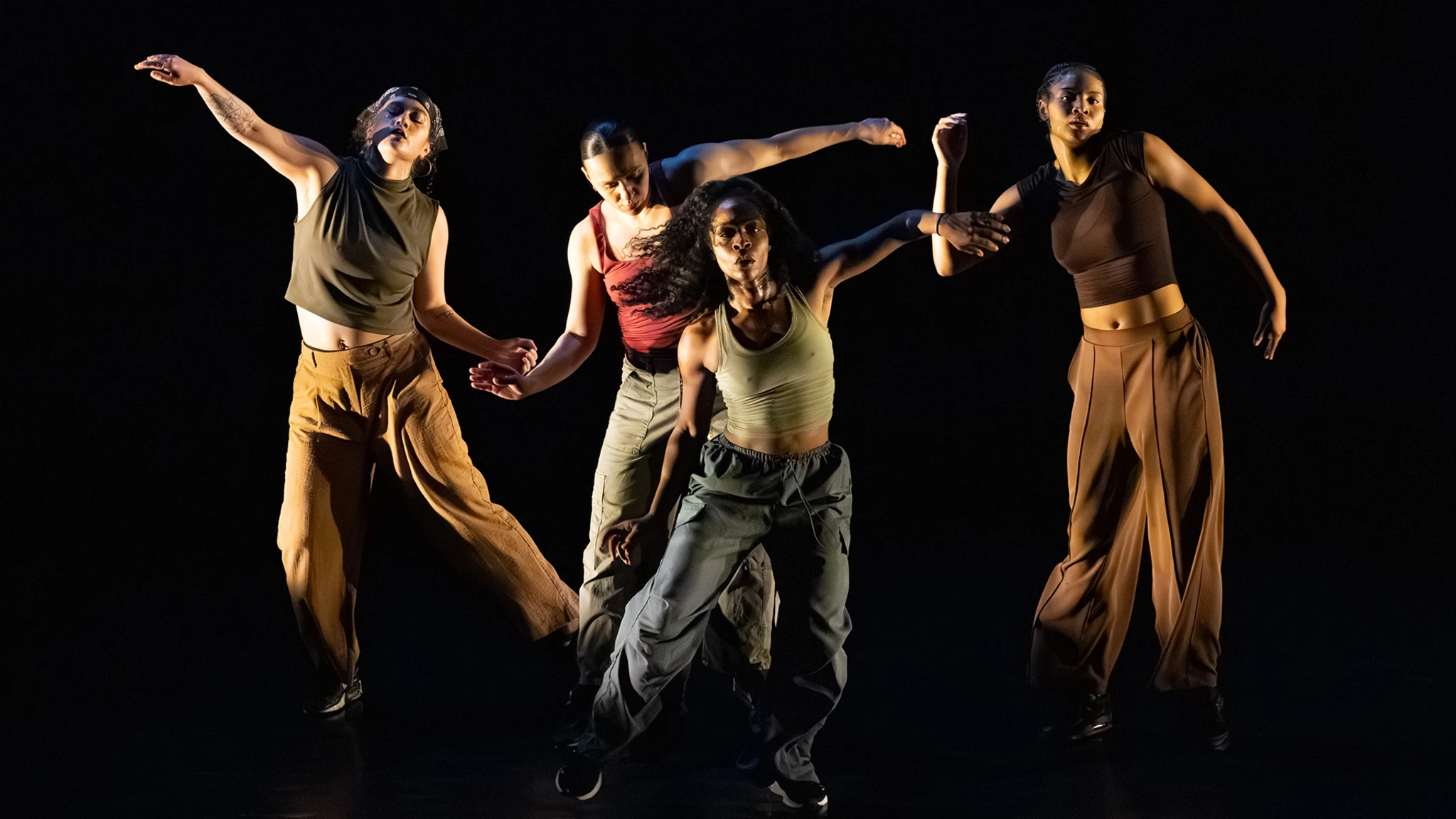
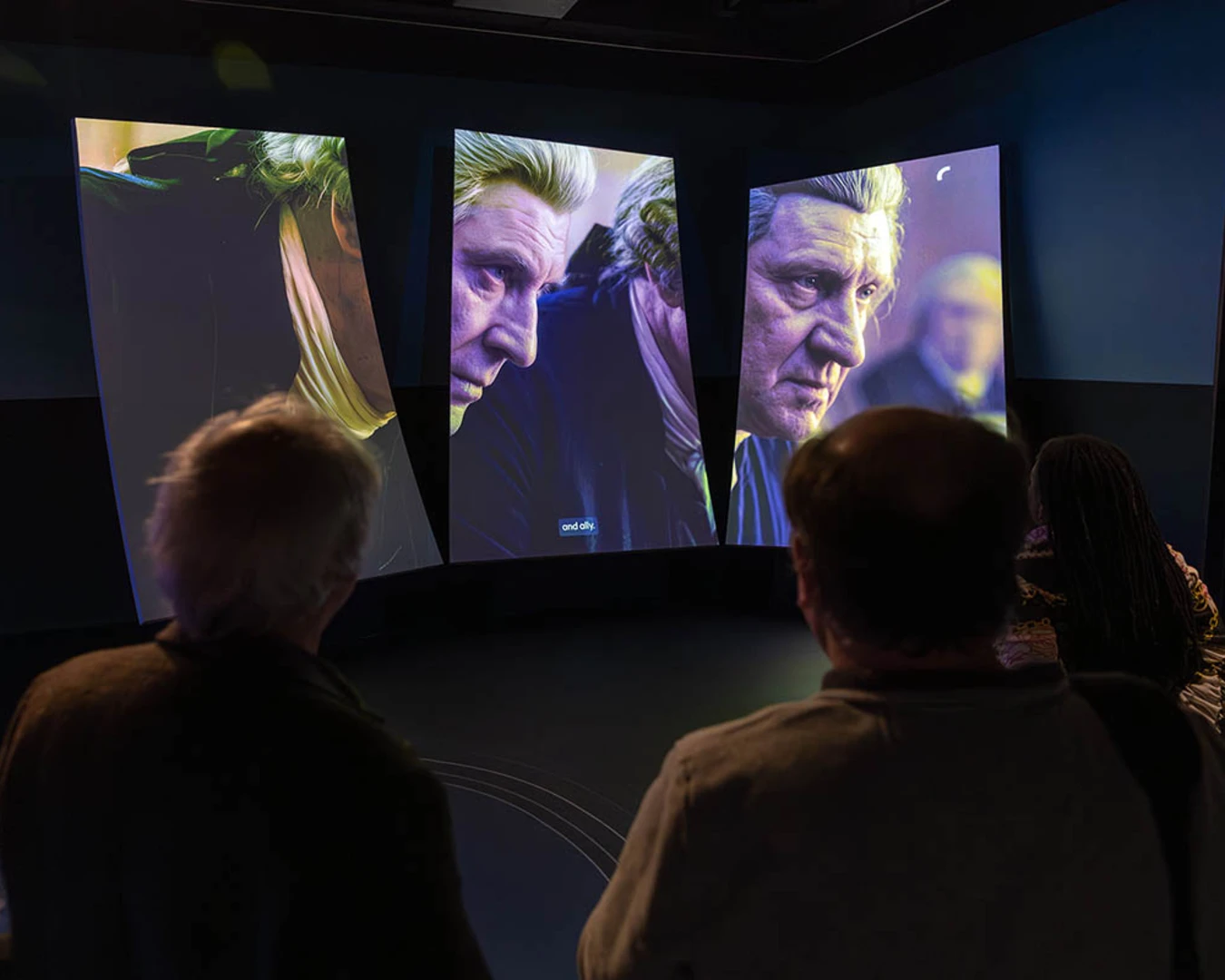
So in any case, the title, of ourse, is coming from R.E.M., which I love the title so much. When I heard the song, I loved the song, but it was kind of like the title itself really spoke to a bigger, broader sort of journey. And that had to do with, in high school, me thinking that I was going to become a priest, studying at seminary on the weekends, and thinking my trajectory was that. But what turned out, it wasn't. And then realizing later after performing and dancing in commercial industry, that in the theater, I was moving toward this more sort of humanitarian, spiritual insight about something, but specifically about myself, really.
So I was just thinking that we were able to have our 30th anniversary here and bring in almost 30 to 40 dancers from around the country who've danced with me, along with the current company, to perform and celebrate here. We remounted Rome & Jewels, which was an epic work, and again, about 20 something people in cast who hadn't been together for over almost 20 years. American Street Dancer, acknowledging all of the influence that Philadelphia has across the country as well, with other street dancers from Detroit and LA and all over. And now Losing My Religion. And I say all that to say, I would not have been able to produce any of those things had I not had the residency here.
Also, to be within the community of Philadelphia officially. We've always been in the community doing it however we do it, whenever it comes up. But this was like, "Oh, we're going to go into this." I taught here. I went to lecture at one of the classes at Penn, and then there's a program that the dancers have been doing in classrooms as well. So that's been amazing as well. So we wouldn't have been able to get in without that.
This is in the '90s, whatever, and when I came through the different theaters and said, "Listen, you need to just share people. Produce Philadelphia artists at least once a year, every two years. Pick some. It doesn't have to be me. It could be anybody. Any of the groups. There's a lot of choreographers here, fledgling companies here, pushing forward to break through. And it's upsetting to me that we all have to leave Philadelphia to get in the world, make it."
For Chris Gruits, Penn Live Arts, to have that vision to say, "Hey, we're going to support an artist." And I hope that they continue to support artists from Philadelphia, because the artists from Philadelphia who are choreographers, who have companies moving and don't have brick and mortar, they need that platform in order to say, "Hey, we're here. Come check us out." And what that does for Penn Live Arts is also, it brings in access to a whole different audience that they would not have had, had they just gone along with their regular scheduling of stuff that they bring in, which is great, but now you're getting more of the community, and you're getting more of the younger community as we transition into the younger theatergoers.
One of the major things that comes back is that the kids see themselves, and if they see a movement that they do, and my dancers are just on the cusp of coming from that, but then becoming older. So they're able to tap in a little bit into that same energy and present some of the movement that they may be familiar with, and that is everything.
And why I say that is because when we were on tour, so I had the pleasure of touring the first rap tour ever in '83 with Run DMC, Fat Boys, Kurtis Blow. LL Cool J came on. He was, like, 15 or 16 years old or something like that. And as we toured the country, one of the things that was the number one crowd, people lost their minds is when we would go or find out in the hotel, like, what's the latest dance? Like whoever's working, "Yo, brother, what's the dance you guys do here in St. Louis?"
I think that once they see themselves up there, they can relate. "Oh, I can do that." And then by presenting both, here's a piece, here's how that could look in the theater, versus just presentation or entertainment, then they're like, "Oh, it's a possibility to go from that to here." So I think that's the biggest take back from that. And of course, the dancers love them. The dancers are like, "Oh, they were crazy. They was wild. Did you see that little girl over there?" So they enjoy it as well, and so it's sort of like this cypher.
Permalink