The Curator and the Historian: Helen Molesworth and Paul Schimmel
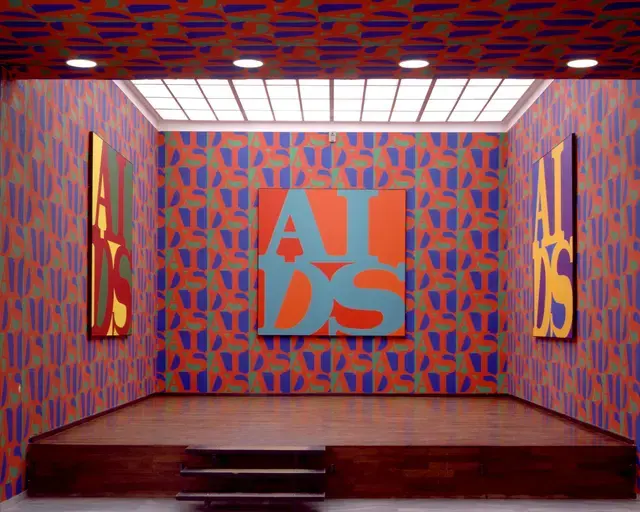
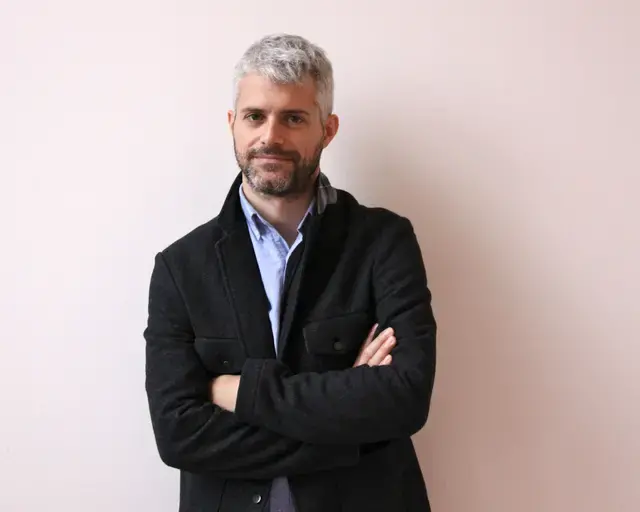
Two highly respected curators, Helen Molesworth and Paul Schimmel, describe how they see the relationship between curating and historiography.
What drives cultural practitioners to experiment, discover, and create?
Two highly respected curators, Helen Molesworth and Paul Schimmel, describe how they see the relationship between curating and historiography.
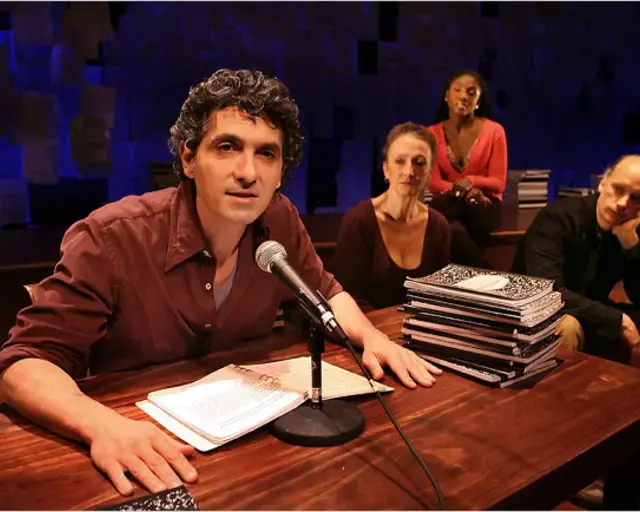
In the first segment of a three-part conversation between Center Visiting Artist Ain Gordon and Center Executive Director Paula Marincola, they discuss Gordon's role as a conduit between the Center and its grantees.
Tacita Dean speaks about time's myriad forms, from the geological and the celestial to the biological or the structural.
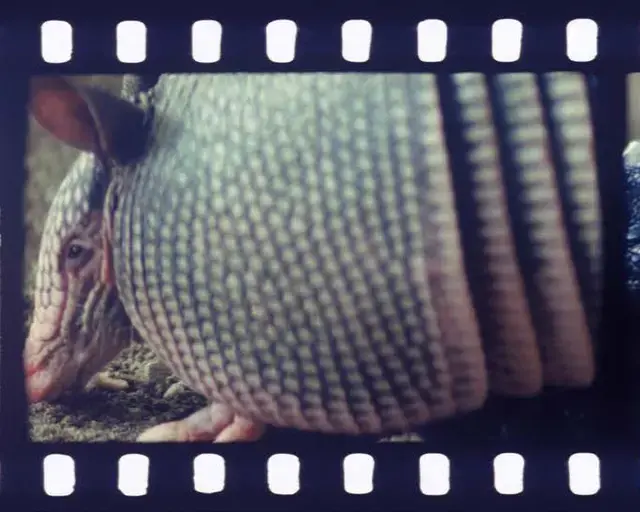
Tacita Dean shares her thoughts about the making of her film JG in advance of its international debut at Arcadia University Art Gallery.
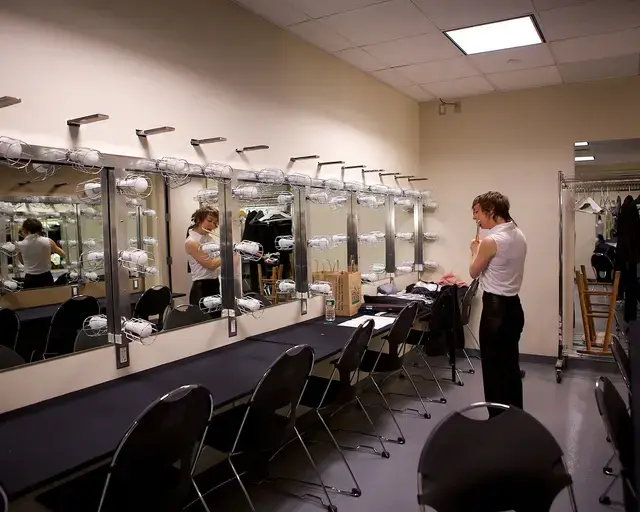
In the third iteration of the Center's *danceworkbook* series, Dr. Linda Caruso Haviland introduces three performed lectures by Foster.
"Curators were people who I thought had a secondary role in the art ecosystem; it took me a while to see how that adjacency and remove could be liberating, and to learn the real pleasures of thinking with and through others."
"The bracket of the museum or gallery often shifts the lens of a project away from its being toward a traditional mode of representation. It is a shift that I find often in the way of the artists' intent."
Ain Gordon, the Center's 2011–13 Visiting Artist, spoke with choreographer and director Merián Soto about her Center-supported piece, *SoMoS*.
Toni Shapiro-Phim's portrait of the Brownings, co-founders of the World Music Institute, highlights their pioneering work in the curation of world music and their organization's impact on the field.
Jenny Sabin writes about designing a "Greenhouse for the Future," part of the American Philosophical Society's Center-funded Greenhouse Projects.