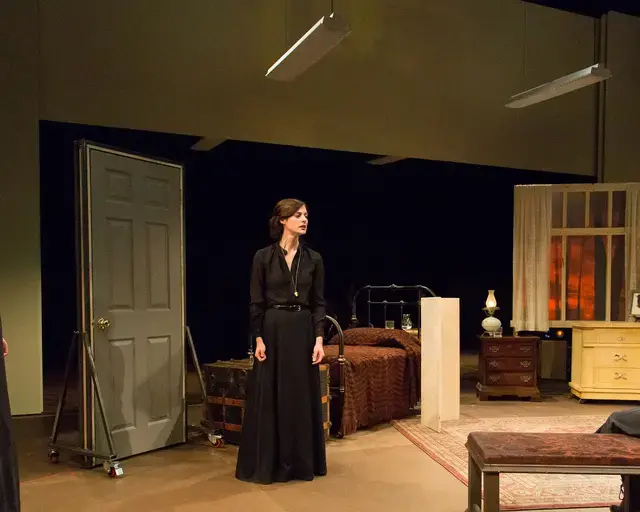
Questions of Practice: Mary Tuomanen on "Timefulness"
We asked Philadelphia theater artist Mary Tuomanen to comment on the notion and nature of time in performance.
How are audience expectations and public participation changing?
We asked Philadelphia theater artist Mary Tuomanen to comment on the notion and nature of time in performance.
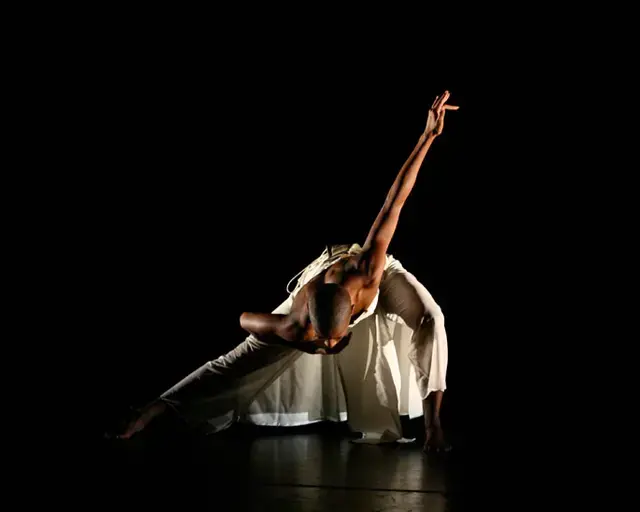
"There is a hunger for a conversation about process," says dancer and choreographer Tania Isaac, when asked about changes in audience expectations.
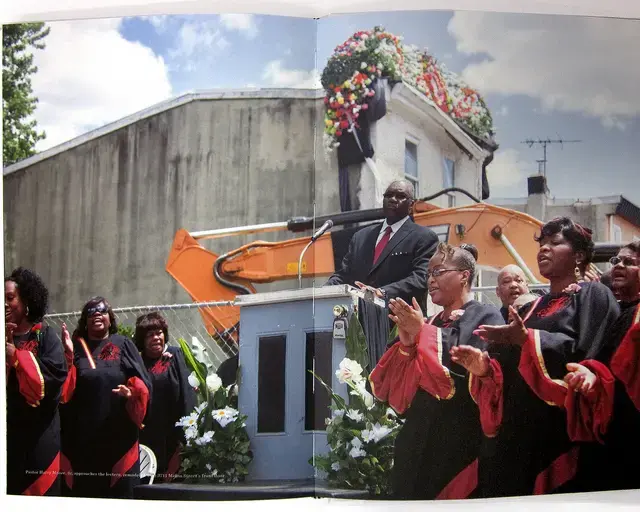
In this excerpt from the publication for Temple Contemporary's *Funeral for a Home*, Sue Bell Yank offers a first-person account of the "home going" memorial for the house at 3711 Melon St.
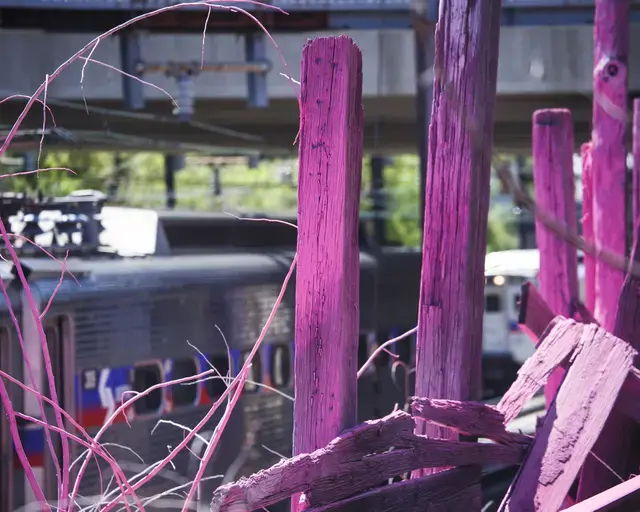
Katharina Grosse's epic psychylustro—a five-mile-long "painting" sprayed intermittently along a stretch of train tracks in northeast Philadelphia—challenges a number of assumptions about the role of both painting and public art. Here, urbanist Randy Mason offers his perspective.
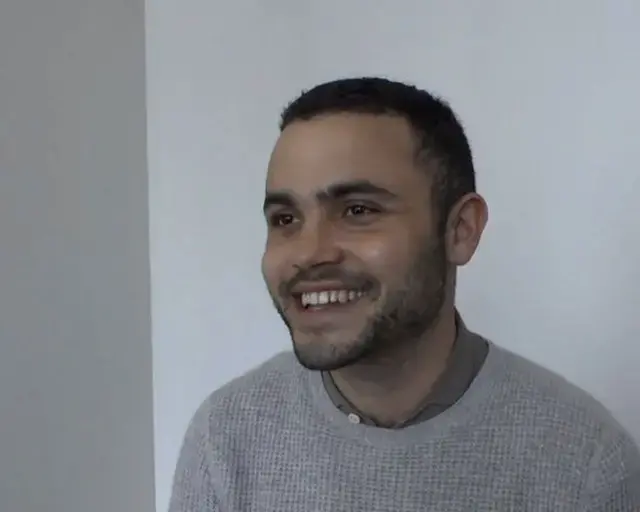
Thomas Lax, curator of performance at MoMA, addresses the reality that many museum visitors "lead with their iPads and smartphones."
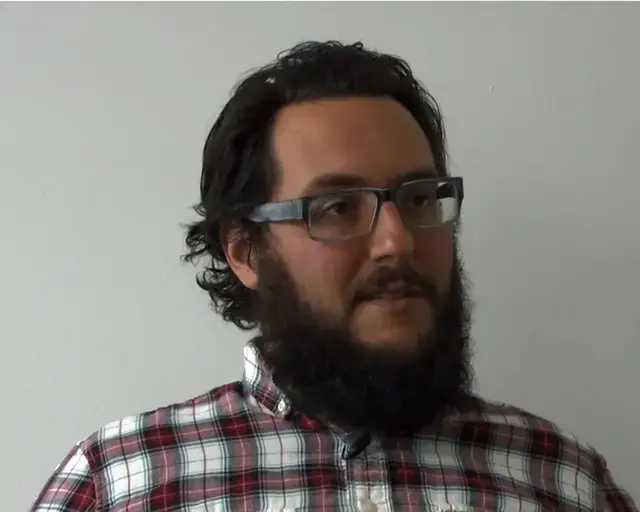
Composer Judd Greenstein speaks to changing audience expectations in "an era where people are deluged with cultural products."
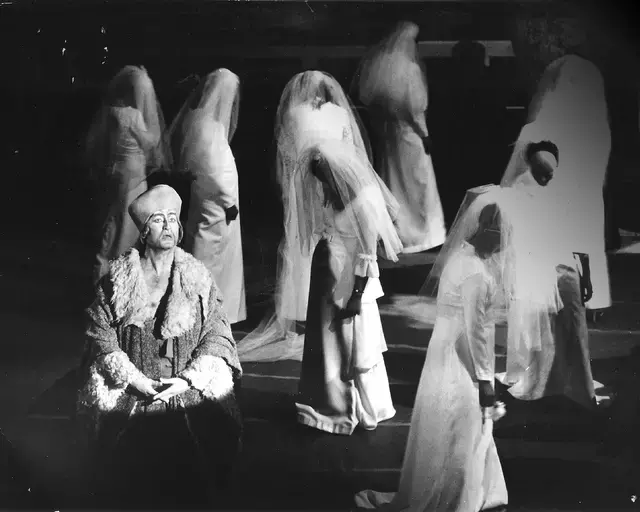
"What is an author?" It is a question the composer George Lewis asks, via Foucault, in his keynote essay for our Questions of Practice series on co-authorship in artistic practice.
As an increasing number of Philadelphia-area organizations and artists seek funding for projects that involve collaboration and multiple authors, our culture at large has become increasingly participatory.
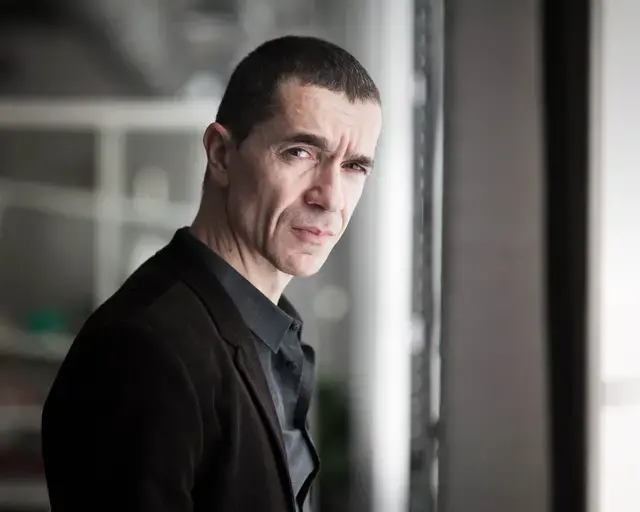
Experimental theater artist Romeo Castellucci talks about what he calls the "monarchy of the viewer."
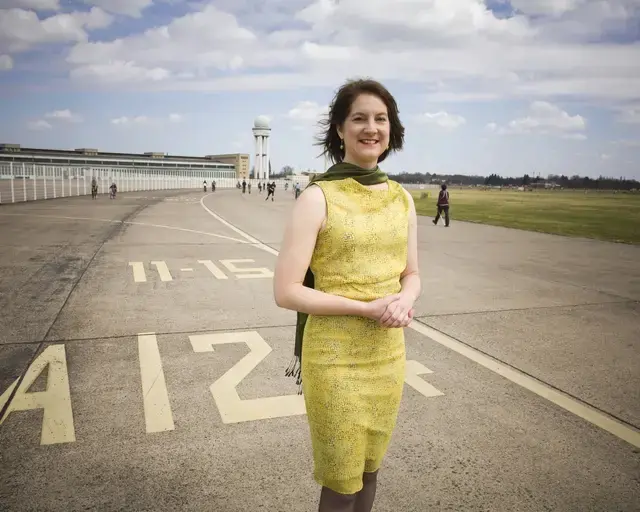
An award-winning composer-vocalist, Bielawa has worked with Anthony Braxton, Philip Glass Ensemble, and John Zorn. We asked her: How is technology impacting our expectations of live music?