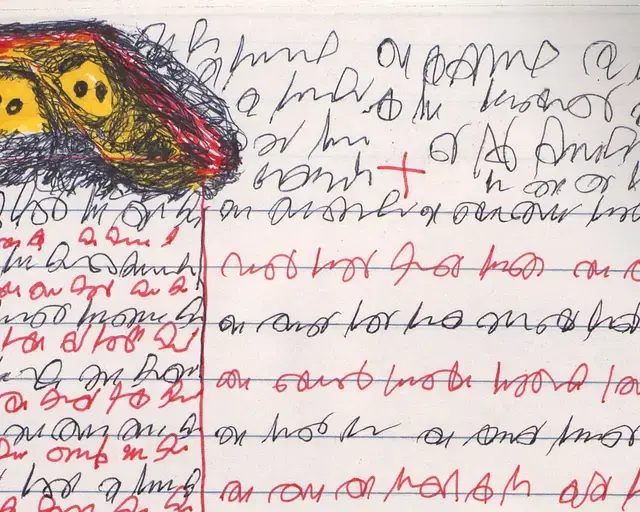
Text Made Visible in the Works of Self-Taught Artists
Brooke Davis Anderson, an expert on self-taught and outsider artists, reflects on how embellished text is often found in these artists' works.
How can history and traditions be reimagined for today’s audiences?
Brooke Davis Anderson, an expert on self-taught and outsider artists, reflects on how embellished text is often found in these artists' works.
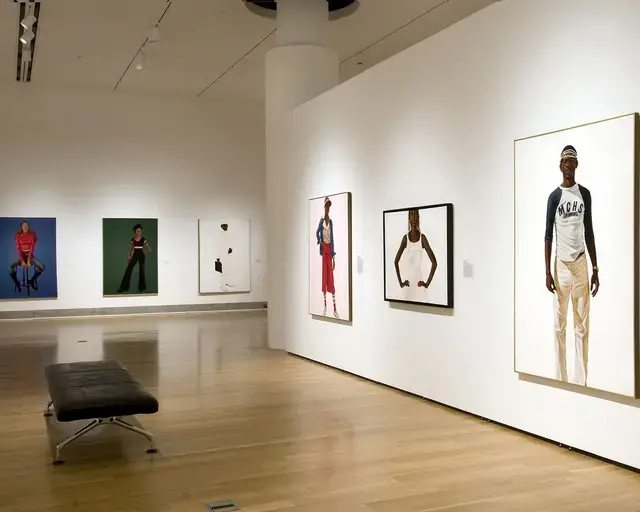
Hendricks reminisced about his career beginnings and how he resisted the magnetic pull of New York after graduate school.

Artist Peter Saul reflects on his artistic career, his formative years living in Europe, and his (dis)connection from the Pop art movement.
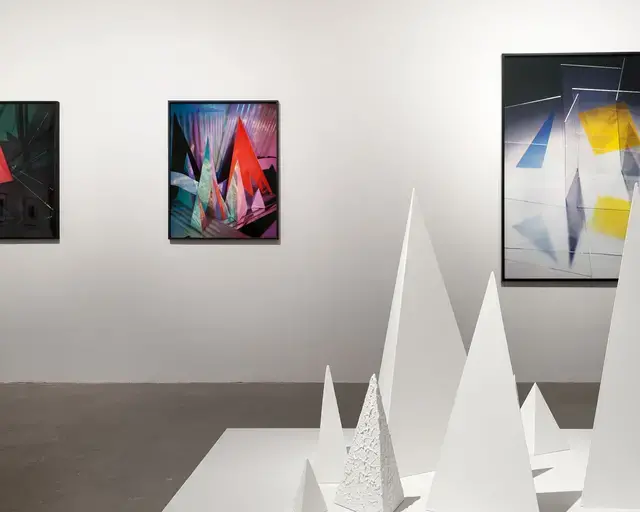
On the occasion of Barbara Kasten: Stages organized by the Institute of Contemporary Art, we invited dance pioneer Anna Halprin and revered artists Barkley L. Hendricks and Peter Saul to reflect on their contemporaneity and answer the questions, "Who gets to be a contemporary artist? When? And why?"
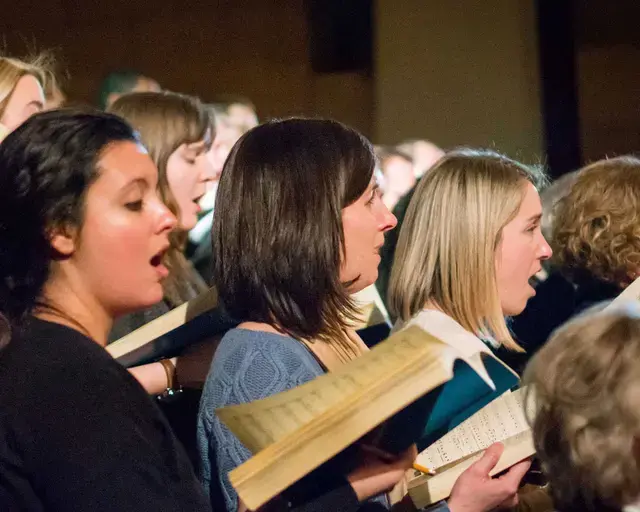
Dr. R. Larry Todd comments on the significance that the multiple interpretations of Bach's St. Matthew Passion engender for different generations.
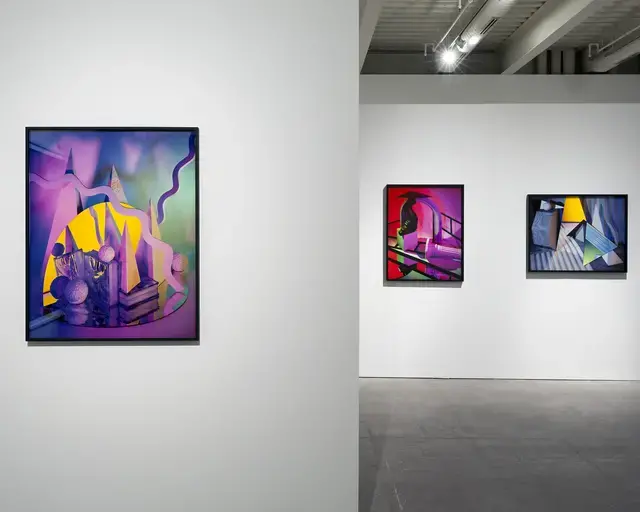
Barbara Kasten: Stages curator Alex Klein explains the significance of staging and props in Kasten's work, in this catalogue excerpt.
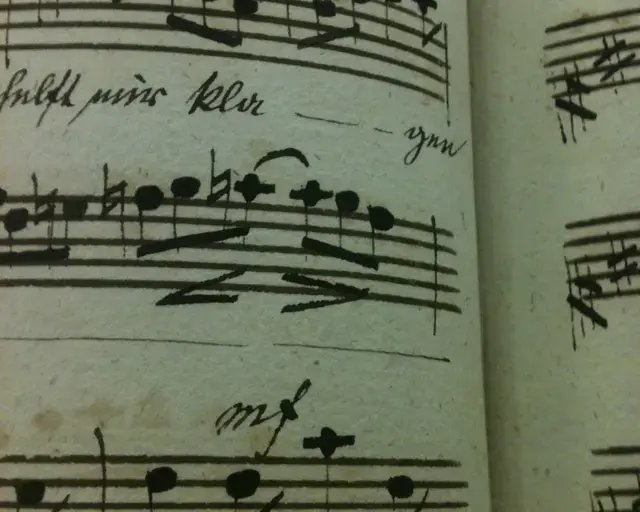
Susan Bernofsky discusses the practice of artistic translation.
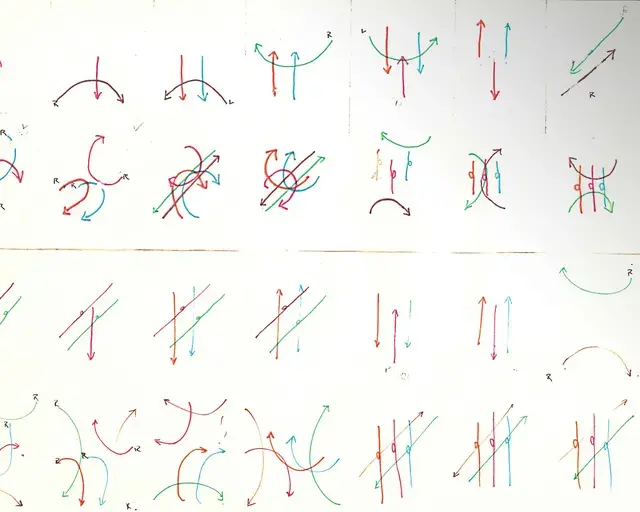
A Steady Pulse: Restaging Lucinda Childs, 1963–78 is a dynamic reexamination of the early dances of one of America's most influential contemporary choreographers. In this excerpt from the forthcoming multimedia online publication, dance critic and historian Suzanne Carbonneau reflects on beauty as refusal in Childs' work.
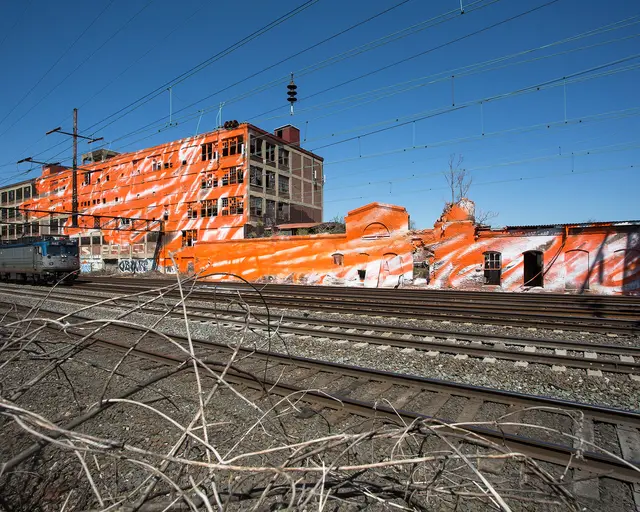
Painter Dushko Petrovich offers his perspective on Katharina Grosse's epic psychylustro—a five-mile-long "painting" sprayed intermittently along a stretch of train tracks in northeast Philadelphia.
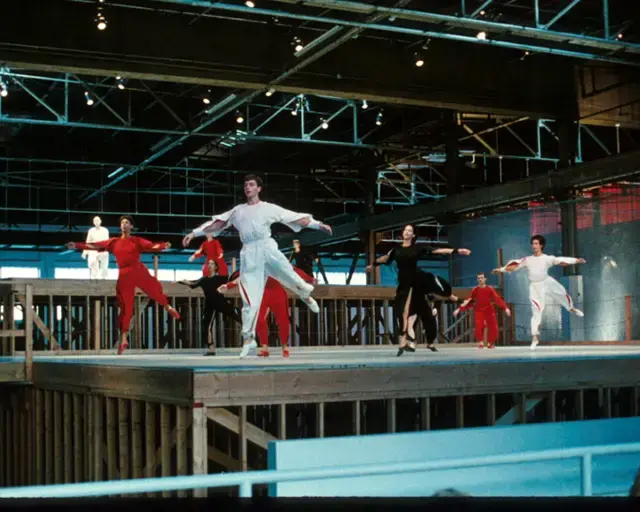
Patricia Lent of Merce Cunningham Trust, an experienced restager, along with theater-maker Richard Schechner, video/installation artist Sharon Hayes, and UC Berkeley professor and moderator Shannon Jackson, here explores the difficulties of recreating works of performance, and how the terms used to describe such acts—restaging, reconstructing, reenacting—vary across disciplines.