Fellows Friday: Q&A with Visual Artist Eileen Neff
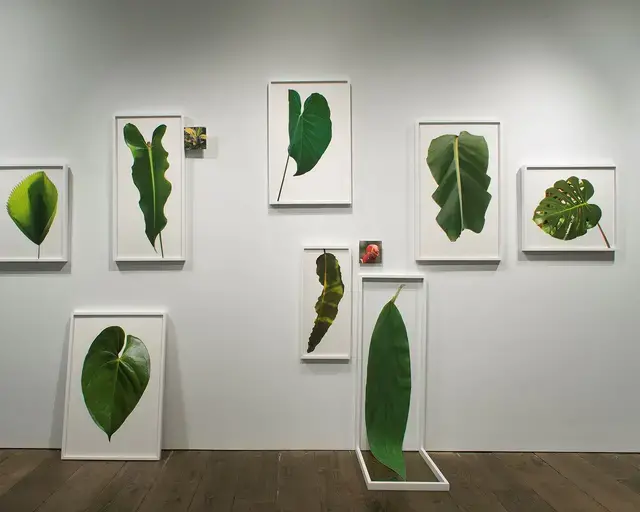
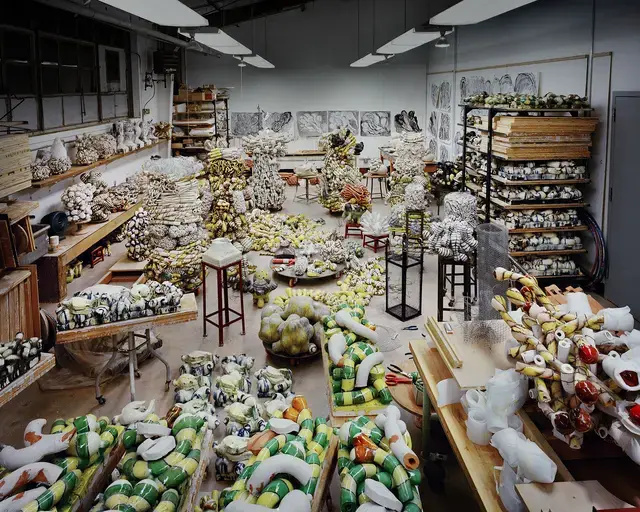
We spoke to visual artist Eileen Neff (1994), who conflates physical and photographic space in artworks that challenge the ways in which photography mediates perception.
What drives cultural practitioners to experiment, discover, and create?
We spoke to visual artist Eileen Neff (1994), who conflates physical and photographic space in artworks that challenge the ways in which photography mediates perception.
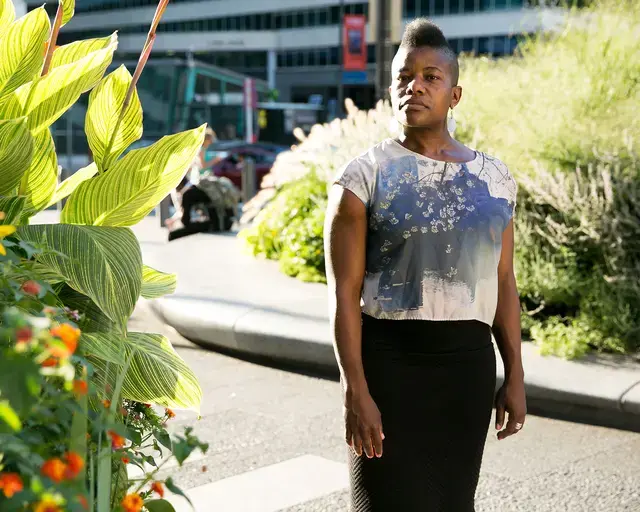
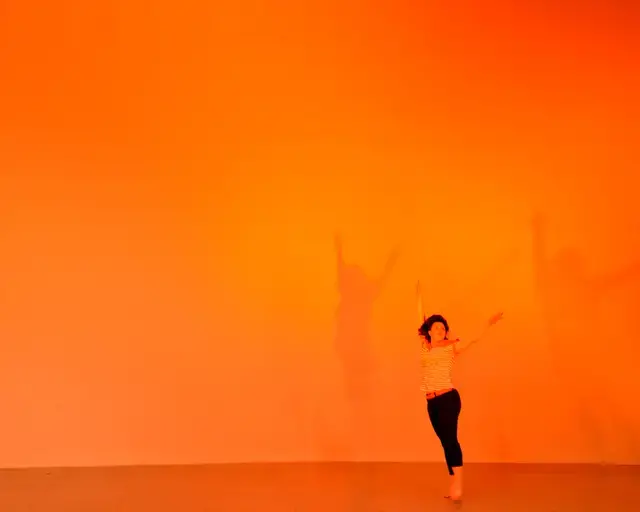
We spoke to theater artist Jennifer Kidwell (2016), whose poignant, performer-driven theater work addresses the complexities of race and notions of American history with sharp intelligence and wry humor.
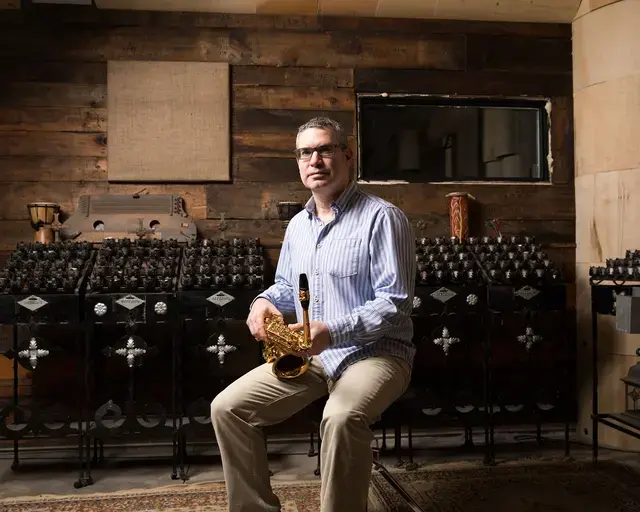
We spoke to Matthew Levy (2016) whose performance practice and compositions combine modern classical music with the rhythmic and improvisatory aspects of jazz, guided by his dedication to exploring the saxophone’s genre-defying capabilities.
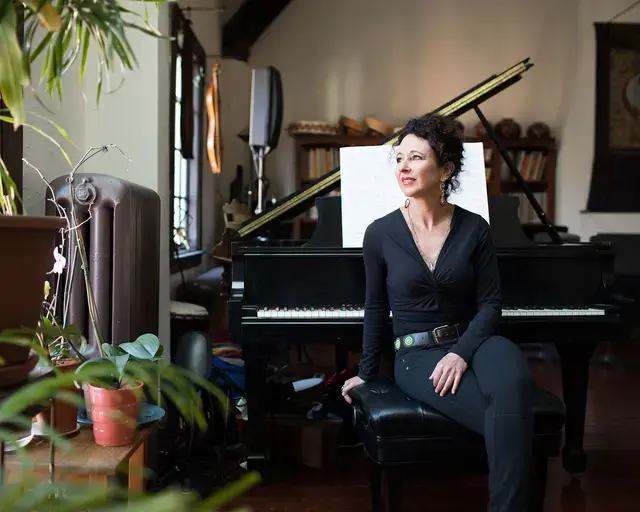
We spoke to composer Andrea Clearfield (2016), who creates deep, emotive musical languages that she says, “synthesize disparate elements into a musical whole” and “build cultural and artistic bridges.”
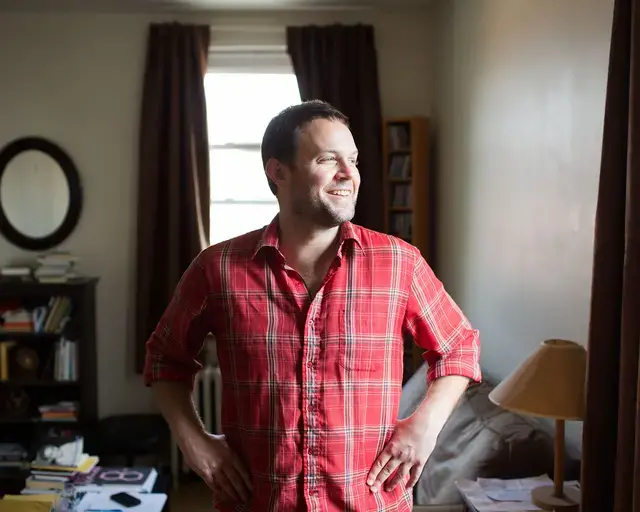
We spoke to Ryan Eckes (2016), whose narrative-driven poetry is, in his words, “a possible form of history:” a way to document the voices and conditions of urban life.
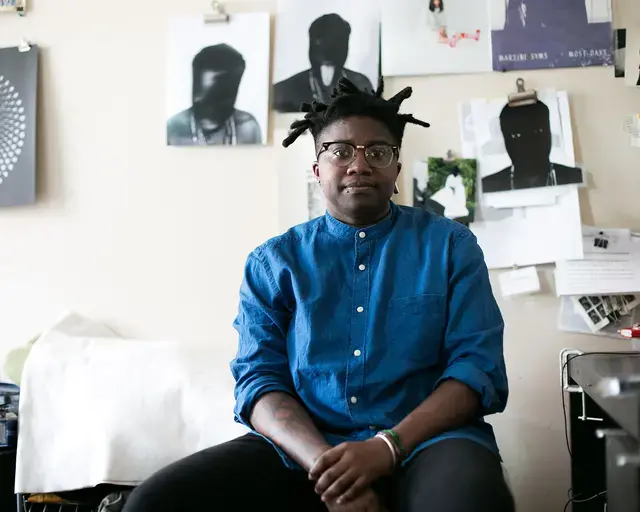
Tiona McClodden’s interdisciplinary approach encompasses documentary film, experimental video, sculpture, and sound installations.
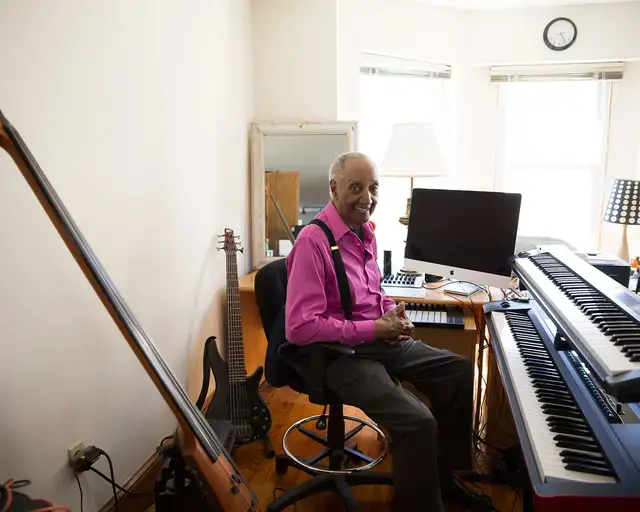
We spoke to Jymie Merritt (2016) a pioneering bassist and composer who, over the last 60 years, has played with some of the most acclaimed American jazz and blues artists in history, including Art Blakey and The Jazz Messengers, B. B. King, Dizzy Gillespie, Max Roach, and Chet Baker.
We spoke to Tokay Tomah (2016), a traditional African vocalist, composer, and recording artist who has dedicated her career to inspiring dialogue about critical issues facing Liberian immigrant communities.
Ann Hamilton on her interest in exploring the social and material connotations of cloth.
We spoke to Christopher Colucci (2016), whose sound designs for theater are distinguished by their sense of musicality and, in the artist’s words, a “sensitivity to the power of sound to evoke the ineffable.”