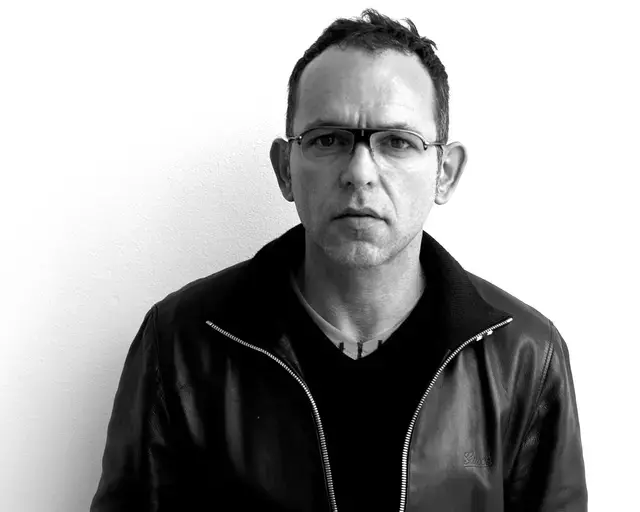
Second Preface for The History of Madness
We asked Pierre Bal-Blanc, director and curator of CAC Brétigny in France, to answer the question: "Why are so many interested in the issues of restaging now?" He responded provocatively.
How can history and traditions be reimagined for today’s audiences?
We asked Pierre Bal-Blanc, director and curator of CAC Brétigny in France, to answer the question: "Why are so many interested in the issues of restaging now?" He responded provocatively.
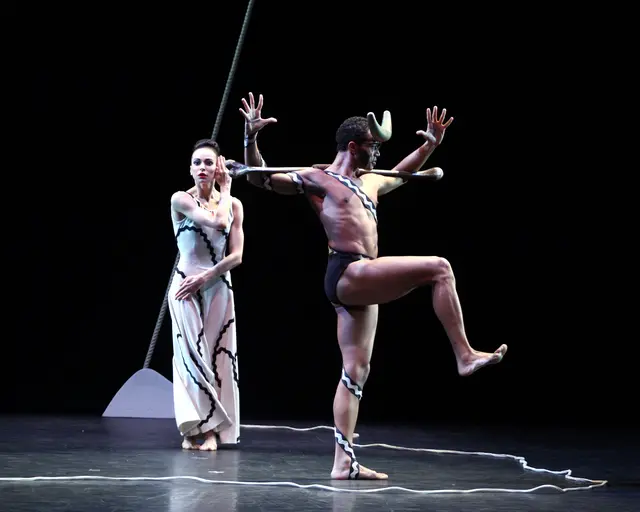
Dance scholar Linda Caruso Haviland shares her thoughts on restaging, reconstruction, reenactment, and reconstruction in dance.
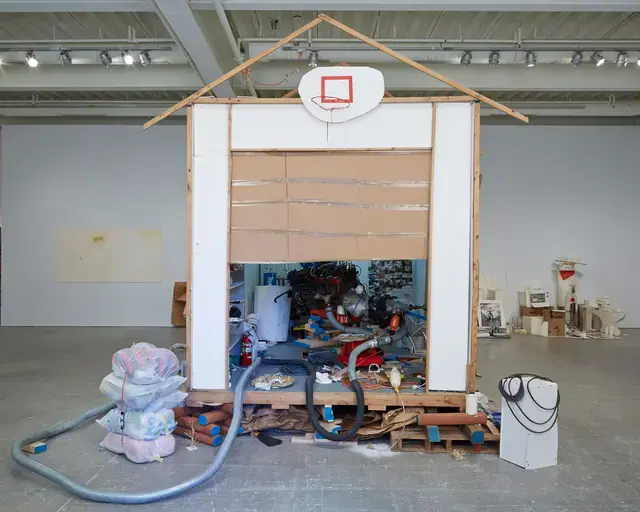
Rick Baker, the manager of Jason Rhoades' studio, discusses the challenges of reconstructing the artist's work after Rhoades' death in 2006.
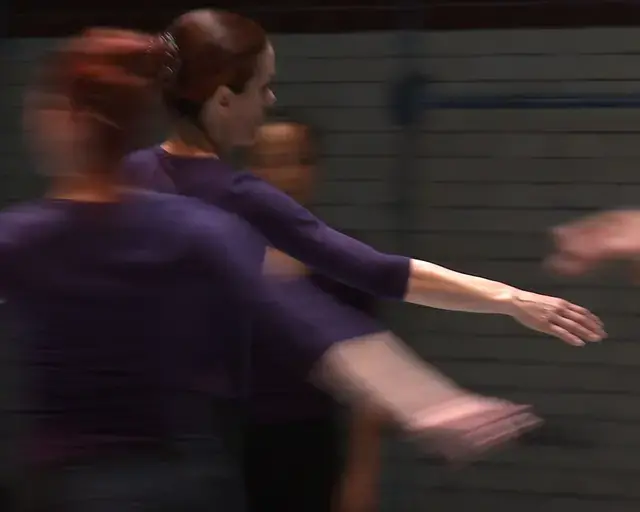
Dancer Megan Bridge gives an insider's perspective on performing Lucinda Childs' work at the soft opening of the new FringeArts space.
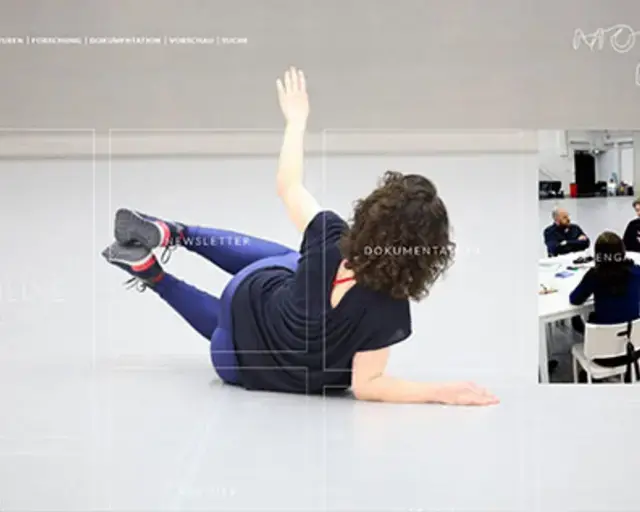
Dance scholar Linda Caruso Haviland revisits the work of choreographer William Forsythe and his efforts to re-substantiate what he calls its "trace" in the world.
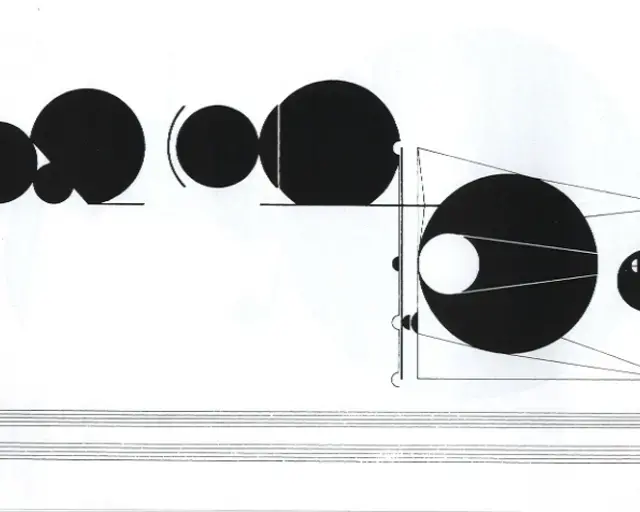
Historical musicologist David Gutkin reflects on workshopped performances of works by Robert Ashley and Cornelius Cardew.
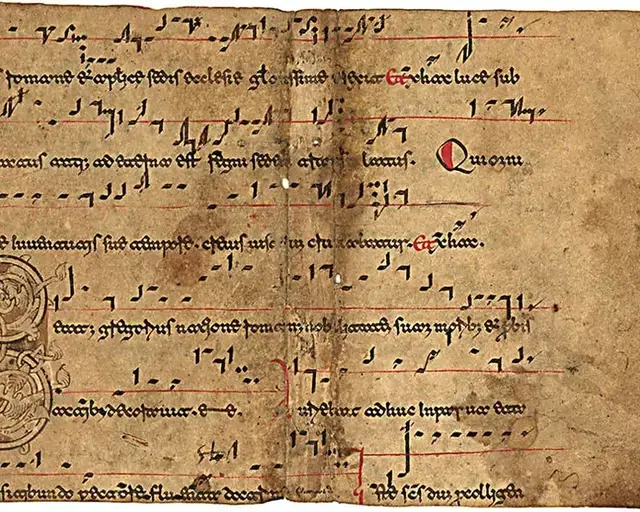
Historical musicologist David Gutkin explores various forms of musical notation and the variable re-performances they can encourage.
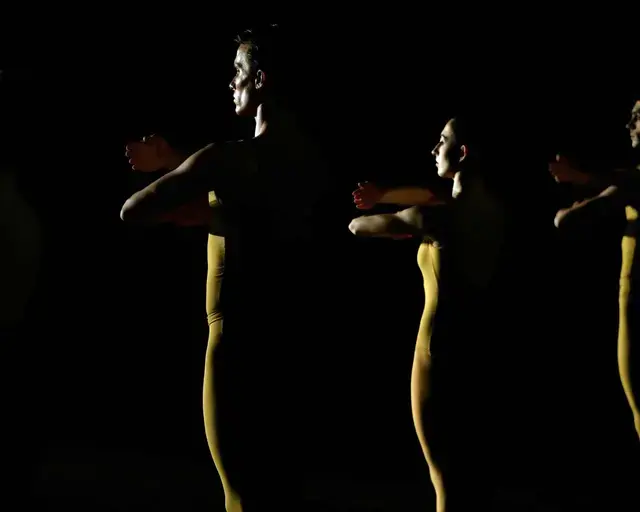
Dance scholar Linda Caruso Haviland discusses Forsythe's curiosity about and drive towards the not-yet-known (the "possibles") within the dance structure and the dancers.
Ballet répétiteurs such as Ruanne work one-on-one with dance artists to articulate and find the essence of a character or particular portrayal that becomes distinctive to their physicality.
During the 2005–06 season, Philadelphia's Dancefusion reconstructed Mary Anthony's Women of Troy (1954). Dr. Linda Caruso Haviland prepared this essay for the accompanying symposium on dance preservation.